
What semiconductor labor shortages mean for the future of gas detection
- Semiconductor workforce shortages are becoming a strategic concern for fab operators.
- New fabs require more monitoring, maintenance, and operational oversight than previous generations.
- Staffing constraints are increasing interest in automation, predictive diagnostics, and remote visibility.
- Connected gas detection systems can provide operational insights that help teams prioritize resources and respond more effectively.
- Future-ready safety programs will increasingly rely on integration, visibility, and simplified maintenance to support operational efficiency.
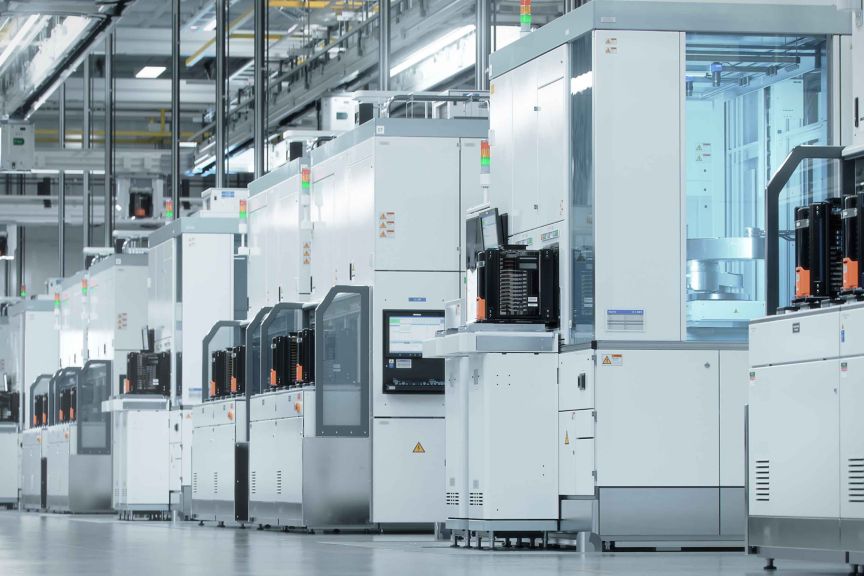
The semiconductor industry is entering one of the most significant expansion cycles in its history. Across the United States, new fabrication facilities are rising in Arizona, Texas, Ohio, New York, and other strategic manufacturing hubs as governments and private companies invest billions of dollars to strengthen domestic chip production. What has received less attention, however, is the challenge that may ultimately determine the success of these investments: people.
The industry isn't just building fabs. It's building an entirely new workforce.
The challenge is substantial. Studies from organizations including the Semiconductor Industry Association (SIA), Oxford Economics, Deloitte, and McKinsey have identified workforce availability as one of the most significant risks facing semiconductor expansion efforts. As new manufacturing capacity comes online, the demand for engineers, technicians, and other skilled personnel is expected to outpace the available talent pipeline in many regions.
The question many fab operators are beginning to ask is simple:
“How do you safely operate increasingly complex facilities when skilled labor is becoming one of your most constrained resources?”
More capacity, fewer available experts
Historically, semiconductor facilities relied heavily on highly trained personnel to monitor equipment, perform inspections, respond to alarms, and manage safety systems. While expertise remains irreplaceable, the operating environment is changing.
Modern mega-fabs can span millions of square feet, contain thousands of process tools, and rely on hundreds of gas monitoring points across manufacturing, utilities, sub-fab areas, gas cabinets, and support infrastructure.
At the same time, many facilities face challenges such as:
- Competition for qualified technicians and engineers
- Retirement of experienced workforce members
- Longer training cycles for specialized semiconductor roles
- Pressure to ramp production quickly
- Increasing regulatory and environmental oversight
- Rising expectations for uptime and operational efficiency
The result is a new operational reality: safety systems must become more intelligent because there may not always be enough experienced personnel available to compensate for operational complexity.
Why gas detection is directly impacted
Semiconductor manufacturing depends on a wide range of hazardous gases, including toxic, flammable, corrosive, and asphyxiant substances. As process technologies continue to evolve, facilities often require greater quantities and varieties of specialty gases than previous generations of fabs.
At the same time, workforce constraints can create challenges in areas such as:
- Routine system inspections
- Detector maintenance and calibration
- Alarm verification
- Event investigation
- Training new personnel
- System troubleshooting
In the past, facilities often addressed these demands by adding personnel. Today, many fab operators are recognizing that labor-intensive approaches may not scale effectively in the years ahead.
The future of gas detection is not simply about detecting leaks. It is about helping facilities operate safely and efficiently with fewer available resources.
What "doing more with less" looks like
As staffing challenges intensify, gas detection systems are evolving from standalone safety devices into connected operational platforms.
Several capabilities are becoming increasingly important.
1. Predictive maintenance instead of reactive maintenance
Traditional maintenance strategies require technicians to perform scheduled inspections or react after issues occur.
Next-generation systems can provide diagnostics and health monitoring that identify developing problems before they lead to detector failure or unnecessary service visits.
For organizations facing technician shortages, predictive maintenance helps prioritize resources where they are needed most rather than relying on blanket inspection schedules.
2. Remote visibility across the entire facility
When experienced personnel are spread thin, visibility becomes critical.
Operators need to understand the status of gas detection systems across multiple buildings, process areas, and utility systems without physically visiting each location.
Centralized dashboards, automated notifications, and remote monitoring capabilities allow smaller teams to maintain awareness of larger and more complex facilities.
3. Reduction of nuisance alarms
Few issues consume resources faster than false alarms.
Every unnecessary alarm requires investigation, interrupts operations, and reduces confidence in detection systems.
As staffing pressures increase, facilities need highly reliable sensing technologies and system intelligence that help reduce false positives while maintaining rapid response to genuine threats.
4. Simplified service and maintenance
One of the hidden workforce challenges in semiconductor manufacturing is onboarding new personnel.
Gas detection systems that require extensive training or highly specialized expertise create additional operational strain.
Future-ready solutions should simplify maintenance activities, streamline calibration procedures, and provide clear diagnostic information that helps newer technicians become productive more quickly.
5. Integration with broader digital ecosystems
Today's fabs are increasingly connected environments.
Gas detection systems should not operate in isolation. They should integrate with facility management systems, emergency response infrastructure, control systems, and operational analytics platforms.
When data flows seamlessly across systems, organizations gain greater efficiency and reduce the need for manual intervention.
The safety workforce of the future
The workforce challenge facing semiconductor manufacturing is not temporary. It reflects broader demographic, educational, and competitive forces that will likely shape the industry for years to come.
Leading manufacturers are already investing heavily in workforce development programs, partnerships with educational institutions, and automation initiatives. Yet even with these efforts, staffing shortages are expected to remain a strategic concern.
This reality creates an important shift in thinking.
Effective gas detection solutions of the future will not simply act as sensors. They will function as capacity enablers for safety teams.
They will provide better information, automate routine tasks, simplify maintenance, improve visibility, and help organizations make faster, more informed decisions.
In short, they will help facilities maintain strong safety standards even as workforce challenges continue to evolve.
Looking ahead
America's semiconductor renaissance presents tremendous opportunities for innovation, economic growth, and supply chain resilience. But building fabrication facilities is only part of the equation. Operating them safely and efficiently will require equal attention to the people, processes, and technologies that support them.
For gas detection professionals, the challenge is clear: design safety systems that help organizations achieve more with fewer resources while supporting high standards of protection.
That means embracing connectivity, automation, predictive insights, and operational simplicity as core requirements rather than optional features.
Honeywell perspective
At Honeywell, we work closely with semiconductor manufacturers to understand the evolving demands of modern fab operations. We recognize that workforce challenges, increasing facility complexity, and the need for continuous uptime are reshaping safety requirements across the industry.
While no technology can replace skilled personnel, advanced gas detection solutions can help maximize the effectiveness of the teams organizations already have by delivering greater visibility, actionable insights, remote access capabilities, and operational efficiency.
As semiconductor manufacturing continues its rapid expansion, the organizations that successfully combine human expertise with intelligent safety technologies will be well positioned to meet the challenges ahead.
