
Solving the utilities skills gap
In this article, discover how utilities can:
- Address workforce and skills gap challenges with automation, remote monitoring and connected tools
- Use supplementation and amplification as strategies to empower all personnel
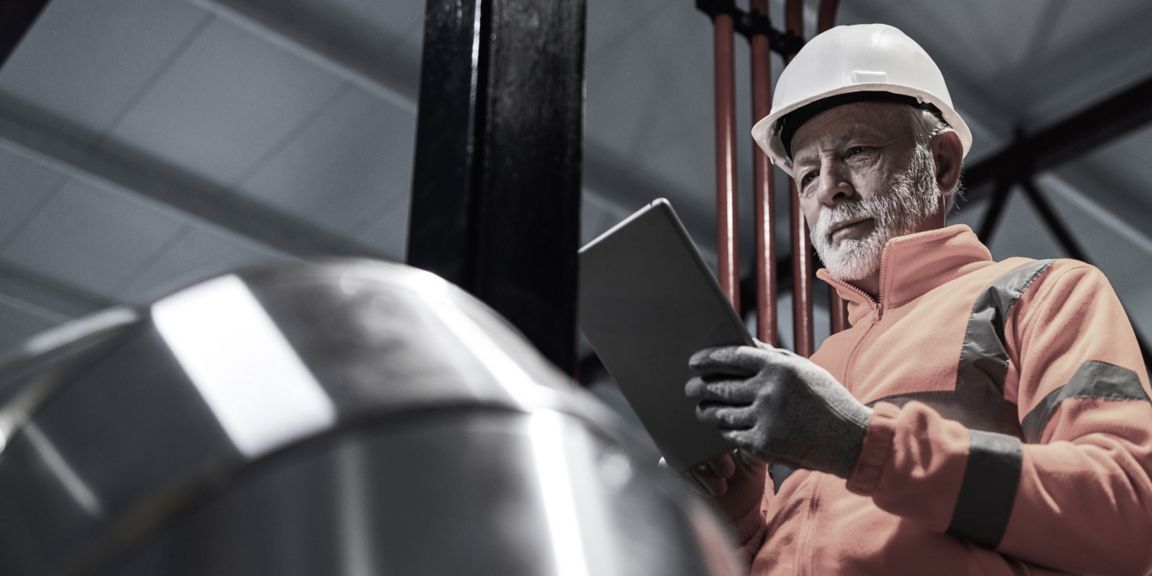
Over the next five years, trusted gas distribution technicians who know the ins and outs of field operations are retiring. So are the electric grid operators who have 30years of experience monitoring loads and ensuring compliance with reliability standards. They’re not the only ones. By 2032, 50% of our utility workforce will depart the industry, taking their time-tested expertise with them in an energy landscape that will keep expanding fast, just as power demand will keep surging to record-breaking levels.1
This smaller workforce and higher demand mismatch have already created an ever-widening skills gap for utilities. This gap risks today’s operational efficiency and reliability as well as the future’s. The loss of institutional knowledge now results in longer task completion times as resources are stretched thin. A lack of specialized expertise also creates potential safety risks and complicates event response.
These effects are compounded by digital transformation complexities and how fewer young workers are entering skilled trades. The related pushes to upskill the smaller number of new and remaining employees by modernizing their skills are slowing — because utilities simply don’t have enough personnel or the right tools. It’s a time-sensitive dilemma. The next generation isn’t fully prepared to care for our grid, while the current generation is stretched too thin. Solving the utilities skills gap means solving both challenges at once, because both demographics are essential.
To remain resilient amid retirements, maintain momentum despite massive workforce changes and keep the utility skills gap from destabilizing some of our world’s most important processes and infrastructure, utilities must acquire capabilities that evolve efficiency, strengthen reliability and support all generations of their workforce.
We have a way forward.
A three-part solution: automation, remote monitoring and connected tools
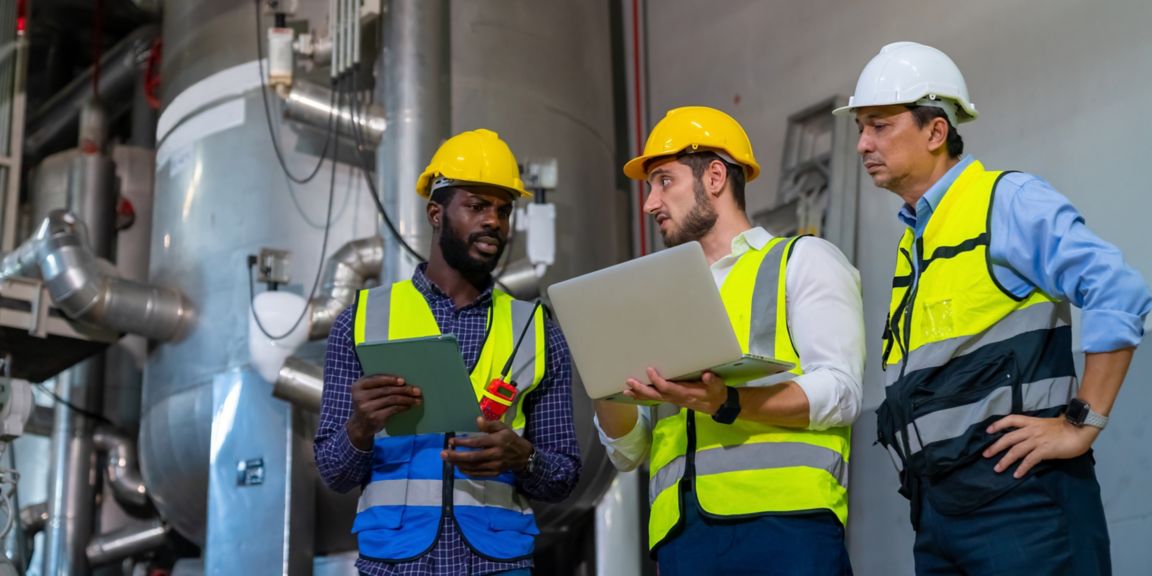
Honeywell’s automation, remote monitoring and connected tools can move utilities from labor-dependent operations to intelligence-enabled workflows. This is the key to gaining an edge as utilities are asked to do more with less. Whether it’s data management systems with real-time analytics or remote metering shutoff capabilities that help reduce truck rolls, we help empower processes and employees across the organization.
Here’s a closer look:
How automation helps create new skills and supplement existing ones
Automated systems and technologies handle repetitive tasks like data collection and reporting so experienced workers can focus on higher-value work. In addition to creating time for personnel to complete more advanced tasks, utility automation can also standardize operational best practices no matter who is on shift; intelligence-powered devices are designed to help detect faults and self-adjust to support target performance levels, instead of requiring manual intervention.
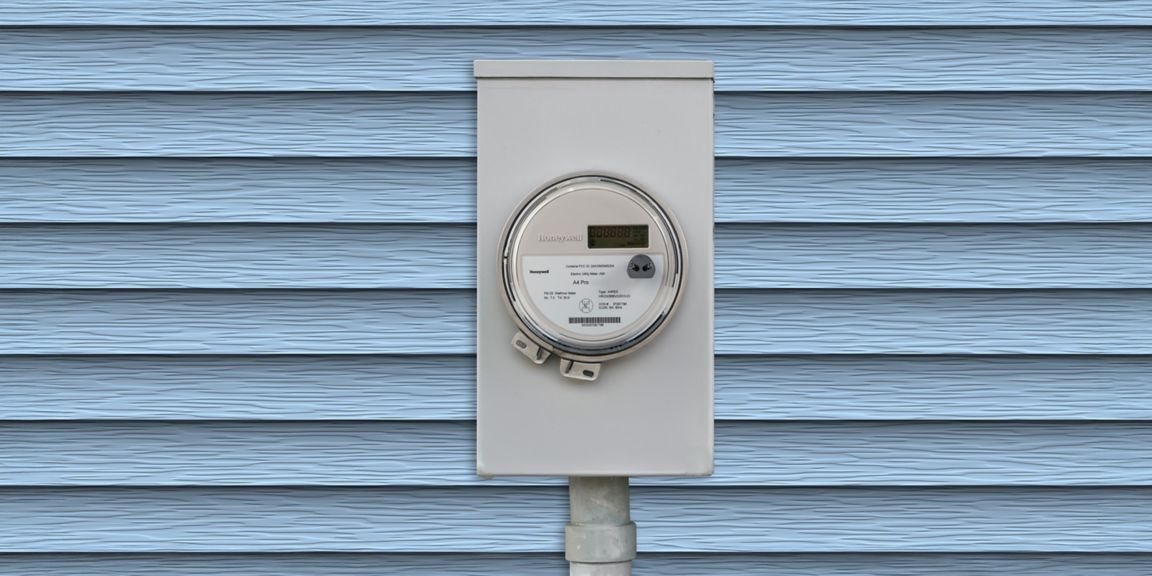
The Honeywell A4 Pro smart meter, powered by Honeywell Forge, is a strategic automation tool that improves electric network efficiency and grid reliability by empowering workers with:
- Real-time data capture and anomaly detection features designed to help identify outages and support faster dispatch of response teams
- Transformer associating mapping intelligence that helps identify which assets serve which loads and recommends adjustments as needed
- A distributed energy resource management system (DERMS) capable of managing intermittent renewable sources with fluctuating loads
With intuitive analytics and assistance directly embedded into the A4 Pro, automation is designed to support operators across experience levels. It also handles administrative tasks simultaneously.
What remote monitoring means for field-intensive skills
When paired with automation, remote monitoring can do more than surface potential issues across network touchpoints in real time. It can support troubleshooting and inform condition-based decisions, reducing the burden on senior expertise during issues. Targeted, automatic insights can yield prioritized repairs and maintenance, meaning those with 30 or 40 years of pattern recognition don’t have to be on-site for the right decisions to be made.
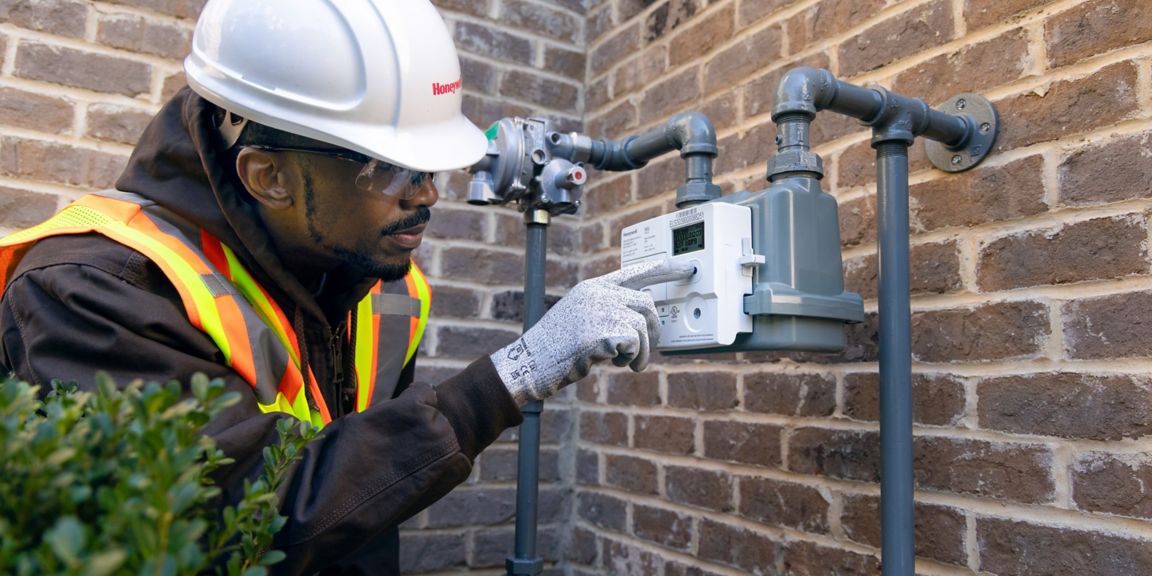
Take the Honeywell NXU Residential Smart Gas Meter for example. In the event of improper pressures that indicate a leak, this ultrasonic meter is designed to use its remote shutoff valve to automatically stop the flow of gas under normal operating conditions. Its monitoring and smart signal processing capabilities help limit truck rolls to potentially dangerous sites, supporting operational efficiency and safety goals.
Not only does this smart gas meter use remote monitoring to give operators time back by helping identify and address potential risks, it also eases strained efficiency and reliability in other ways. The NXU is lightweight and only needs to be installed by one field technician instead of an entire team. Utilities require fewer resources for a more impactful system.
Connected tools can close the distance between what’s now and what’s next
Today, and during the next five years, the reality of how digital transformation affects utility workforces is two-sided:
- Remaining veteran workers possess invaluable institutional knowledge, but often lack tech readiness
- Younger workers have strong digital skills but limited intuition about network patterns, processes and procedures
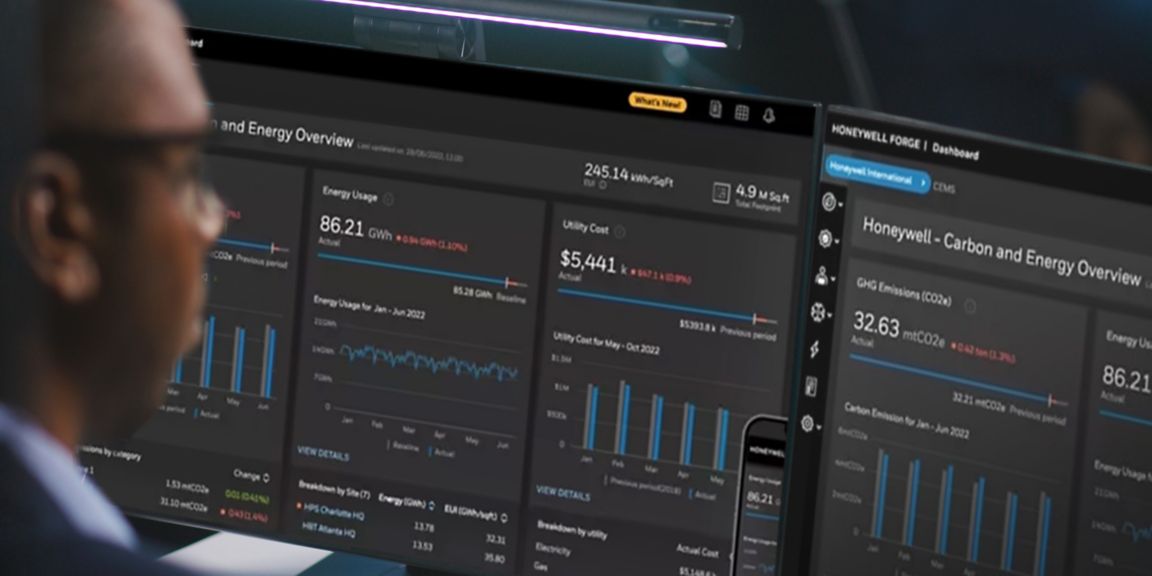
Honeywell Forge Performance+ for Utilities is a connected tool that combines the best of both in a single platform. This unified digitalization platform helps embed valuable tribal knowledge, using value-added applications to guide workflows autonomously. In addition to helping reduce uncertainty, Honeywell Forge Performance+ for Utilities also has a frictionless learning curve, supporting various skill levels with technology during onboarding.
And Connexo FieldSense is a platform available to field technicians who handle installations and troubleshooting as needed. They can access everything from work orders to inventory information in one centralized location.
Connecting personnel to data-driven insights through platforms that work with all operators, technicians and controllers (not against them) is an efficient, reliable and human-centric approach. This increases consistency during change, reduces error variability and keeps all workers focused on strengthening our grid.
Conclusion
Effective automation, remote monitoring and connected tools empower and amplify the utility workforce’s skills. When systems automate repetition, capture hard-earned expertise, standardize task execution and allow new talent to perform at a higher level faster, the skills gap can narrow — and opportunities for enhanced operational performance grow.
