























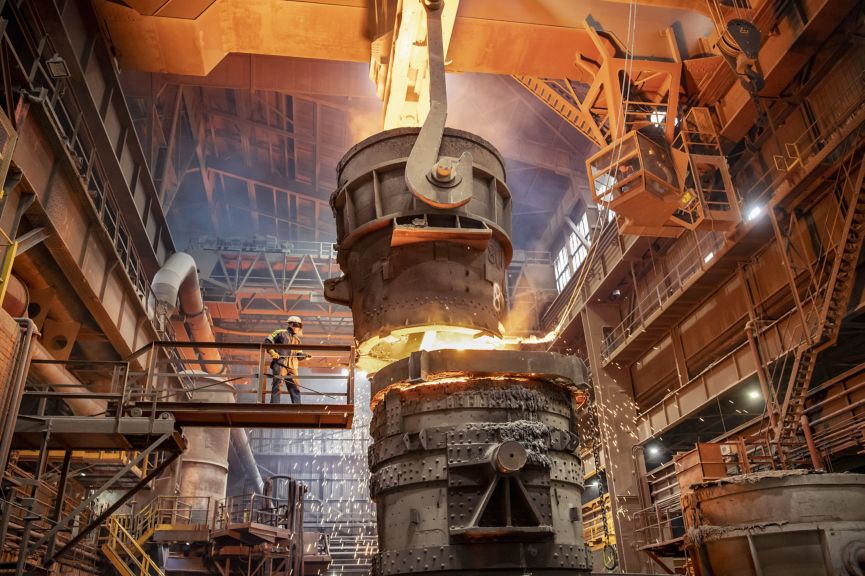



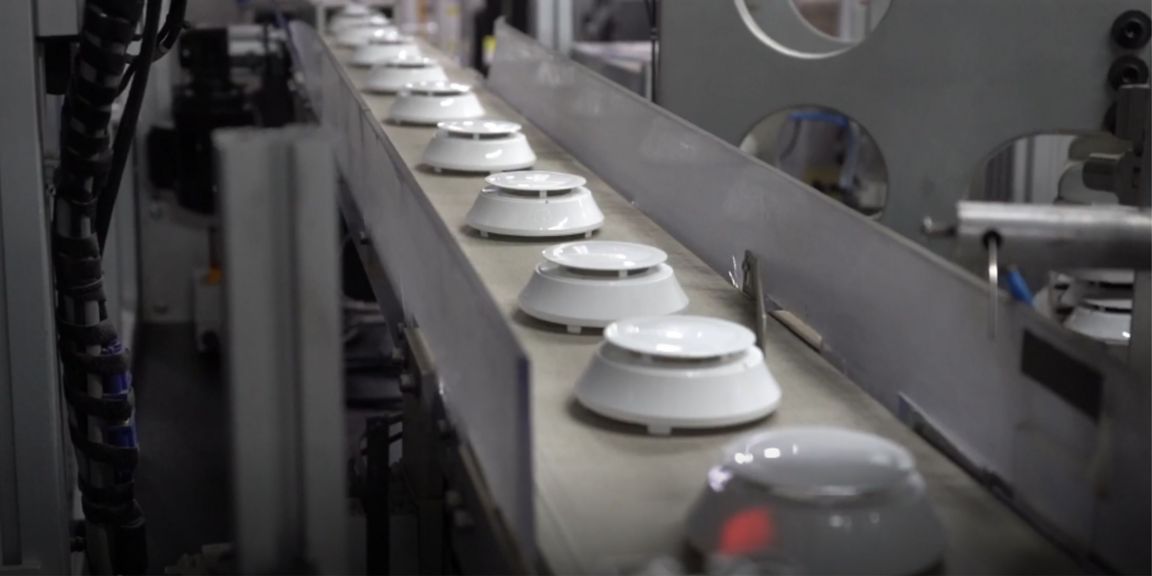





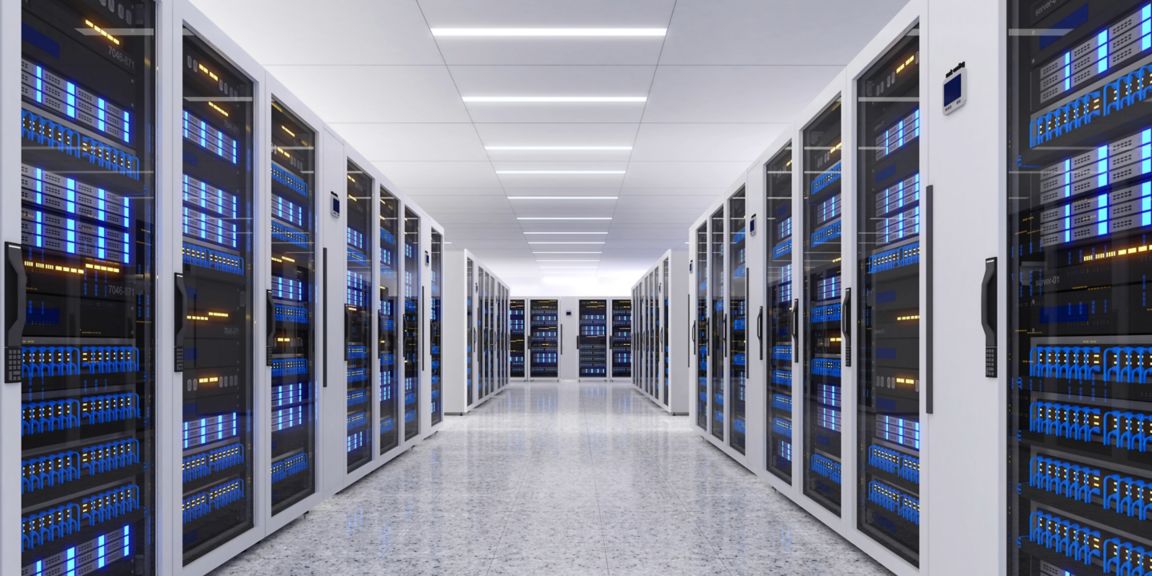





Siloed building systems often mean siloed data. That can make it difficult to analyze data insights and achieve optimal performance. A connected building allows companies to integrate systems, leverage scalable processing capabilities at the edge and in the cloud and gain essential insights across operations. It enables smarter workflows by connecting systems within one ecosystem, allowing contextualized data to flow seamlessly for more informed decision making.
Automation designed for building performance
Leverage capabilities to help optimize life safety and security, operational efficiency and energy efficiency.


Leverage capabilities to help optimize life safety and security, operational efficiency and energy efficiency.
Optimize Building Performance. Simplify Operations.
Whether you're in charge of a hyperscale data center, a sprawling college campus, a large community hospital or a five-star hotel resort, your buildings are integral to your business. Honeywell delivers automation solutions that help your building perform better and support business outcomes that matter to you. We can help you manage energy consumption, improve building uptime, simplify day-to-day operations, reduce incident response time, and create safer, healthier, more comfortable spaces.




Building automation tailored to your industry
Building automation is critical no matter the scale of your buildings or portfolio. Gain better control of your building operations to help improve operational efficiency, safety and security and energy use.
Airports
Optimize airport operations with integrated automation solutions for airside, terminal and safety systems from Honeywell.
Commercial Buildings
Transform commercial building automation with integrated HVAC, lighting, and energy management solutions that reduce costs and improve comfort.
Education
Optimize education infrastructure with building automation for K-12 and higher education. Enhance safety, efficiency and learning outcomes with Honeywell.
Government
Honeywell government building automation helps agencies optimize performance, protect infrastructure and meet energy mandates and government regulations.
Retail
Improve retail energy management and optimize store operations with HVAC building automation, refrigeration monitoring and lighting solutions from Honeywell.
Smart Cities
Build resilient smart cities with integrated IoT platforms for incident management, urban mobility and citizen services powered by smart city technologies.
Customer Stories
See our Solutions in Action

Cloud computing interface with lock icon and digital network elements


Solutions to help automate your building’s future
Predictive maintenance. Integrated energy solutions. Improved occupant experiences. Connected buildings. We can help you meet the challenges of today while keeping you a step ahead of tomorrow.
-
Maintenance & Services
-
Remote Monitoring
-
Video Management & Cameras
-
Services
-
Gas Detection
-
Environmental
-
Fire Alarm, Control Panels & Devices
-
Mass Notifications
-
Power Supplies and Accessories
-
Advanced Detection
-
Station Alerting
-
Circuit Protection
-
Wiring Devices
-
Cable Management
-
Environmental
-
Temperature & Climate
-
Flow & Electrical
-
Fire
-
Specialty and Support
-
Connected Solutions
-
Building Management Software
-
Meters
-
Integrated Operations
-
Indoor Air Quality
-
Networking
-
Controllers
-
Lighting and Lighting Controls
-
Building Services
-
Field Devices
-
Thermostats & Wall Modules
-
Security & Access Solutions
-
OT Cybersecurity
-
Building Sensors
-
Electrical & Wiring
-
Fire Life Safety
-
Industrial Sensors
-
Process Licensing
-
Integrated Operations
Leading the way to smarter, more automated buildings
-
Building the Digital Backbone of Hafeet Rail Project
-
Honeywell and B2M Solutions Partner to Expand Operational Insights from Mobile Assets
-
We Make Cool Things in Juarez, Mexico: Devices That Power Buildings Worldwide
-
Building Smarter: The Power of Integrated Building Systems
-
Germany’s Transition Toward Industrial Autonomy: Recap of Our 2025 European Growth Symposium
-
3 Ways AI is Revolutionizing Building Management
-

Balancing Data Center Computing Demands and Energy Efficiency
-
How digital transformation is enhancing the rail travel experience
-
The Cost of Climate Change: Why Every Building Operator Needs Energy Resilience Now
-
Five Global Cybersecurity Trends to Watch in 2025
-
A Life-Saving Idea: Enhancing Accessibility with Inclusive Life Safety Solutions
-
Enhancing the Future of Saudi Arabia’s Aviation Industry Through Digital Transformation
-
Runway to Resilience: Improving Cybersecurity in Airport Operational Technology
-
From Data To Decisions: NRF 2026 Recap and the Future of Automated Retail
-
The Next Now: From Retail to Dynamic Commerce, Honeywell Leads the Evolution
Frequently Asked Questions
Buildings consume significant amounts of energy. Depending on the geographic location, heating, cooling, ventilation, lighting and other building systems can account for about three-fourths of a typical facility’s total environmental footprint, compared to around 25% attributed to construction-related activities.1 Leveraging building management systems (BMS) and advanced software controls can help building operators optimize HVAC systems, boilers, chillers, sensor networks and lighting systems to help meet energy use goals. Advanced software solutions can help control, manage and optimize energy use to help manage costs and improve resilience.
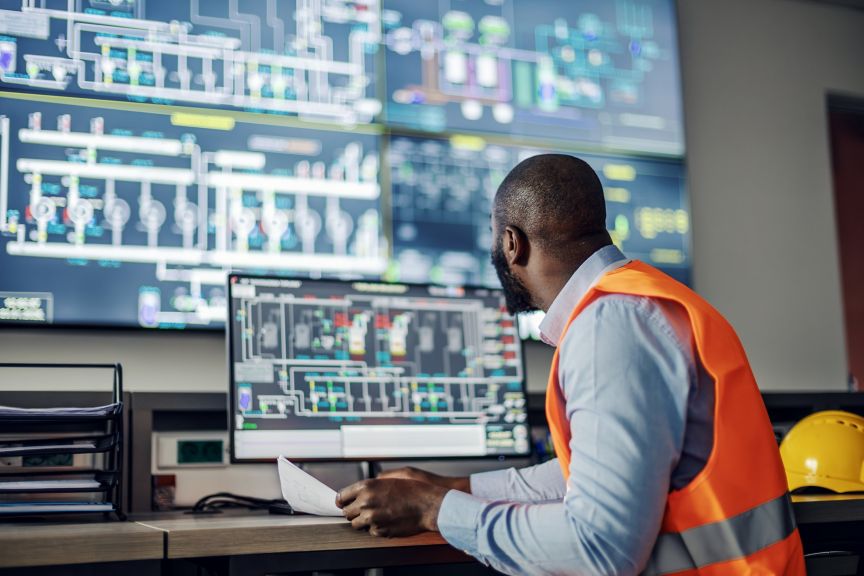
A building management system (BMS), or building controllers, are used to manage building assets like heating, ventilation and air conditioning (HVAC), boilers, chillers, lighting, security, fire and more. These systems automate processes and regulate equipment performance to help deliver precise, consistent and efficient operations. A BMS is often thought of the “brains” of a building – these separate, external systems interpret data from sensors, send commands to equipment, enable functions like motor speed, automate the sequencing of complex tasks and make real-time adjustments to maintain desired conditions. Like the human brain, these small but mighty systems enable complex tasks in a building.
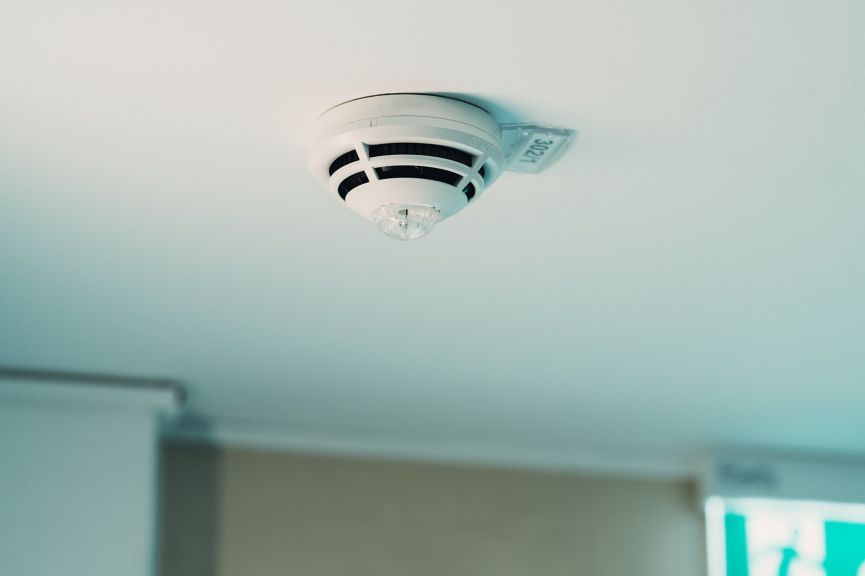
For smoke detection systems to work properly, smoke must travel from the source to a sensor at a detectable density. The traditional approach to smoke detection is to place sensors near, or on, the ceiling, because smoke rises. Advanced smoke detection solutions, or aspirating smoke detectors, continuously sample the air and are designed to provide early warning of fire hazards and help detect threats at early stages. These devices often have a wide sensitivity range to identify even the smallest amount of smoke in the air, helping prevent even a small fire from causing irreparable damage. Advanced detection technologies can be placed in strategically targeted locations – often in combination with traditional detectors – to continuously monitor for trace amounts of smoke. This way, potential fires can be intercepted at the source.
Sources:
1 McKinsey & Company, “Accelerating green growth in built environment”, November 2022. [Accessed May 30, 2024]