
When a research campus becomes a power plant: What White Oak reveals about the future of energy resilience
As electricity demand grows, some facilities are doing more than consuming power. They're helping to supply it.
Across the United States, utilities face a growing challenge: keeping electricity reliable and affordable as demand accelerates. New industrial facilities, rising electric loads, expanding digital infrastructure and increasingly extreme weather events are placing unprecedented pressure on the electric grid.
In July, that challenge came into sharp focus.
As a record-breaking heat wave drove electricity demand across the Mid-Atlantic to historic levels, regional grid operator PJM Interconnection projected power consumption could exceed previous records and threaten system reliability. Demand ultimately reached an estimated 168,158 megawatts, surpassing a record that had stood for two decades.
When utilities needed additional capacity, one unlikely source stepped forward: a federal research campus in suburban Maryland.
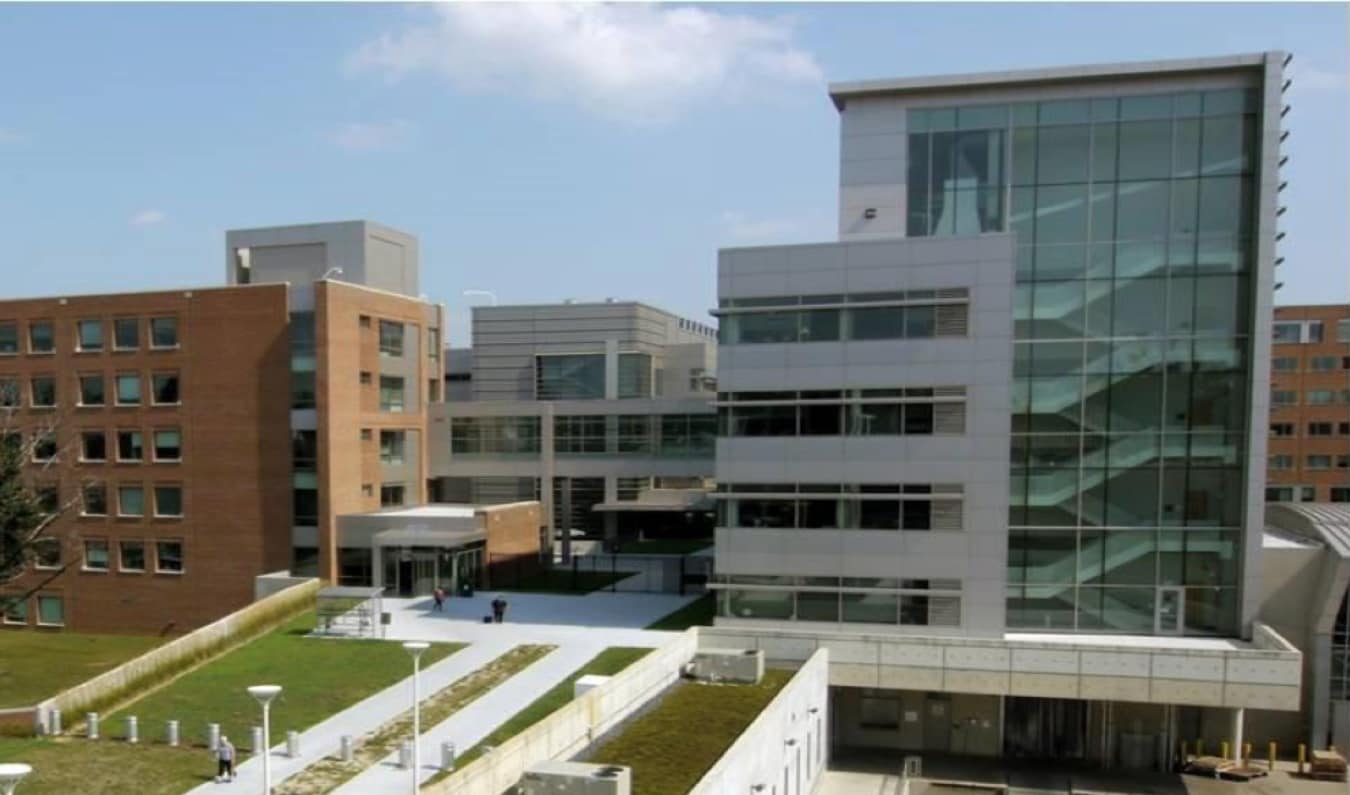
The U.S. General Services Administration's (GSA) White Oak campus, supported by Honeywell Technologies energy infrastructure and microgrid solutions, powered itself independently during the record demand period and actually exported excess electricity back to the grid. Over three days, the campus, which hosts a U.S. Food and Drug Administration research facility, generated more than 58,000 kilowatt-hours of surplus power, enough electricity to power more than 600 homes.
At its peak, White Oak supplied 2.5 megawatts of capacity to the grid, roughly ten times its normal contribution. But the most important part of the story isn't what happened during those three days. It's that White Oak does this all year long.
A Different Kind of Energy Consumer
Traditionally, large research campuses have been viewed as consumers of electricity. During periods of peak demand, they draw power from the grid and contribute to overall system load. White Oak represents a different model.
Through an integrated microgrid and advanced energy infrastructure, the campus can operate as both a consumer and a producer of energy. When conditions require it, the facility can disconnect from the grid, continue supporting mission-critical FDA operations and research activities and make excess generation capacity available to surrounding communities.
As of early September, White Oak had entered "island mode" 48 times in 2026, operating independently from the regional grid for a combined 54 hours. Those events were not emergencies. They were demonstrations of a new approach to energy management, one in which large campuses actively support grid reliability rather than simply consuming power from it.
As power systems become more complex, this capability is becoming increasingly valuable.
"The future of energy reliability depends on creating more flexibility across the grid," said Juan Picon, president and CEO of Honeywell Technologies Building Automation. "Facilities equipped with advanced energy infrastructure can help ease strain on the electric grid, support affordability for consumers and maintain operational continuity during periods of high demand. White Oak demonstrates how organizations can become active contributors to grid resilience while continuing to fulfill their core mission."
Why Affordability Matters
Grid reliability often dominates energy discussions, but affordability is becoming equally important. When demand surges and utilities must procure additional capacity, costs increase across the system. Consumers, businesses and ratepayers ultimately absorb those expenses.
Facilities capable of reducing demand or even contributing energy during peak periods can help lower that pressure.
White Oak's contribution during the July heat emergency illustrates how distributed energy resources can provide benefits beyond a single site. Rather than competing for scarce electricity at a moment of record demand, the campus eliminated its own grid consumption and provided additional capacity to the system. The result was more available electricity when the region needed it most.
As utilities and policymakers search for ways to accommodate growing demand without dramatically increasing energy costs, flexible facilities like White Oak offer a practical example of how existing infrastructure can contribute to broader grid affordability.
Engineering Resilience Into Critical Infrastructure
At the center of the White Oak campus is a combined heat and power plant that simultaneously produces electricity, heating and cooling for campus operations. The system uses a dual-fuel engine and multiple gas turbines to optimize performance and reliability.
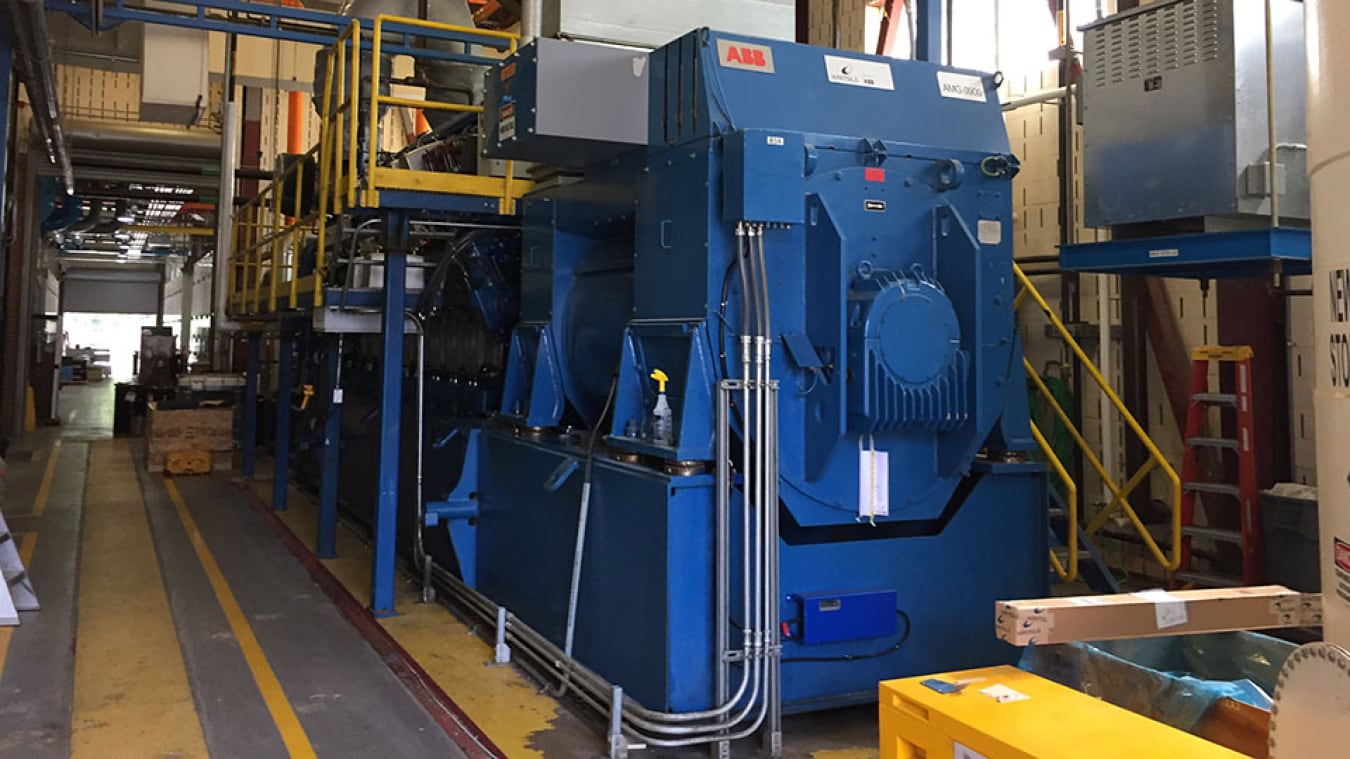
Honeywell Technologies' modernization program expanded those capabilities through advanced microgrid controls, demand response functionality, critical-load redundancy and firm-capacity infrastructure.
The GSA and Honeywell carried out that work through a multiphase energy savings performance contract (ESPC), a financing model supported by the U.S. Department of Energy’s Federal Energy Management Program (FEMP). The same upgrades that help the campus operate through grid disruptions also reduce its energy use and costs.
The result is a campus that can continue operating when grid conditions become stressed while also serving as an energy resource for the surrounding region.
That capability proved especially important during the July demand event, when the excess electricity helped support critical infrastructure, and contributed to overall grid stability throughout the Mid-Atlantic.
A Blueprint for a More Flexible Grid
The White Oak campus highlights a broader opportunity emerging across the energy landscape. As demand continues to rise, utilities will likely need more than new generation assets. They will also need intelligent buildings, campuses and industrial facilities that can dynamically interact with the grid, reducing consumption when needed and supplying electricity when possible.
In many cases, those resources already exist.
The challenge is equipping facilities with the energy infrastructure, controls and resilience capabilities necessary to participate. For federal agencies, ESPC contracts offer one way to do that, using the savings from upgrades to repay the investment over time.
White Oak demonstrates what becomes possible when those systems come together. A federal research campus can continue its scientific mission, strengthen energy security and help deliver more affordable, reliable electricity to the communities around it.
