
Our building automation systems help optimize energy consumption across HVAC, lighting and other systems without compromising environmental conditions for resident health and safety. By continuously monitoring occupancy patterns, outdoor conditions and facility needs, these systems can adjust heating, cooling and lighting in near real time. Automated scheduling can reduce energy use in administrative areas during off-hours while maintaining precise climate control in resident rooms. They can also save on energy expenditure: HVAC system improvements can reduce energy use by 15% with approximately two-year payback periods.5
Post-Acute and Long-Term Care
Smart automation for long-term and post-acute care
Integrated automation helps post-acute care facilities deliver quality care while optimizing energy use and operations.


Integrated automation helps post-acute care facilities deliver quality care while optimizing energy use and operations.
How Automation Can Transform Post-Acute and Long-term Care Operations
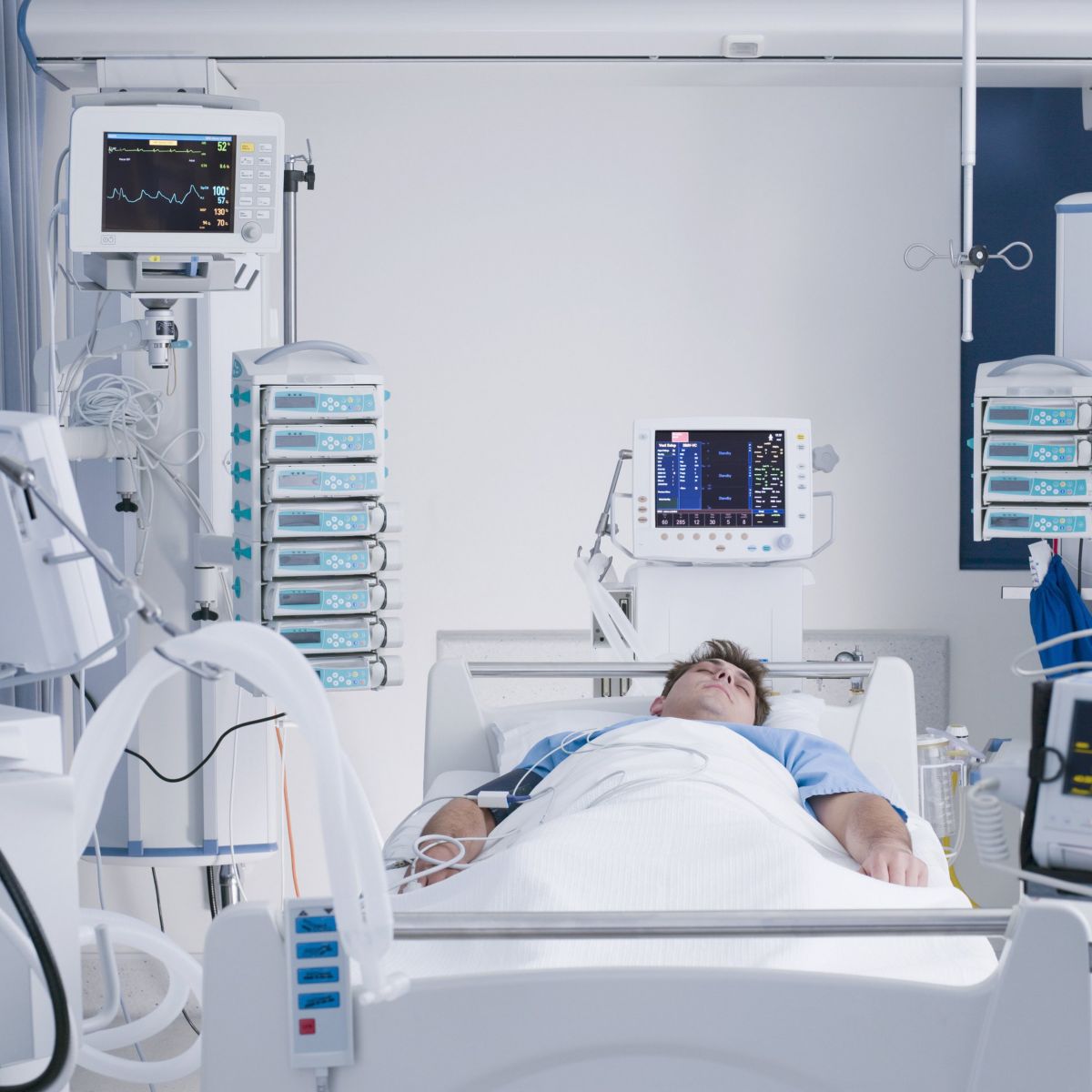
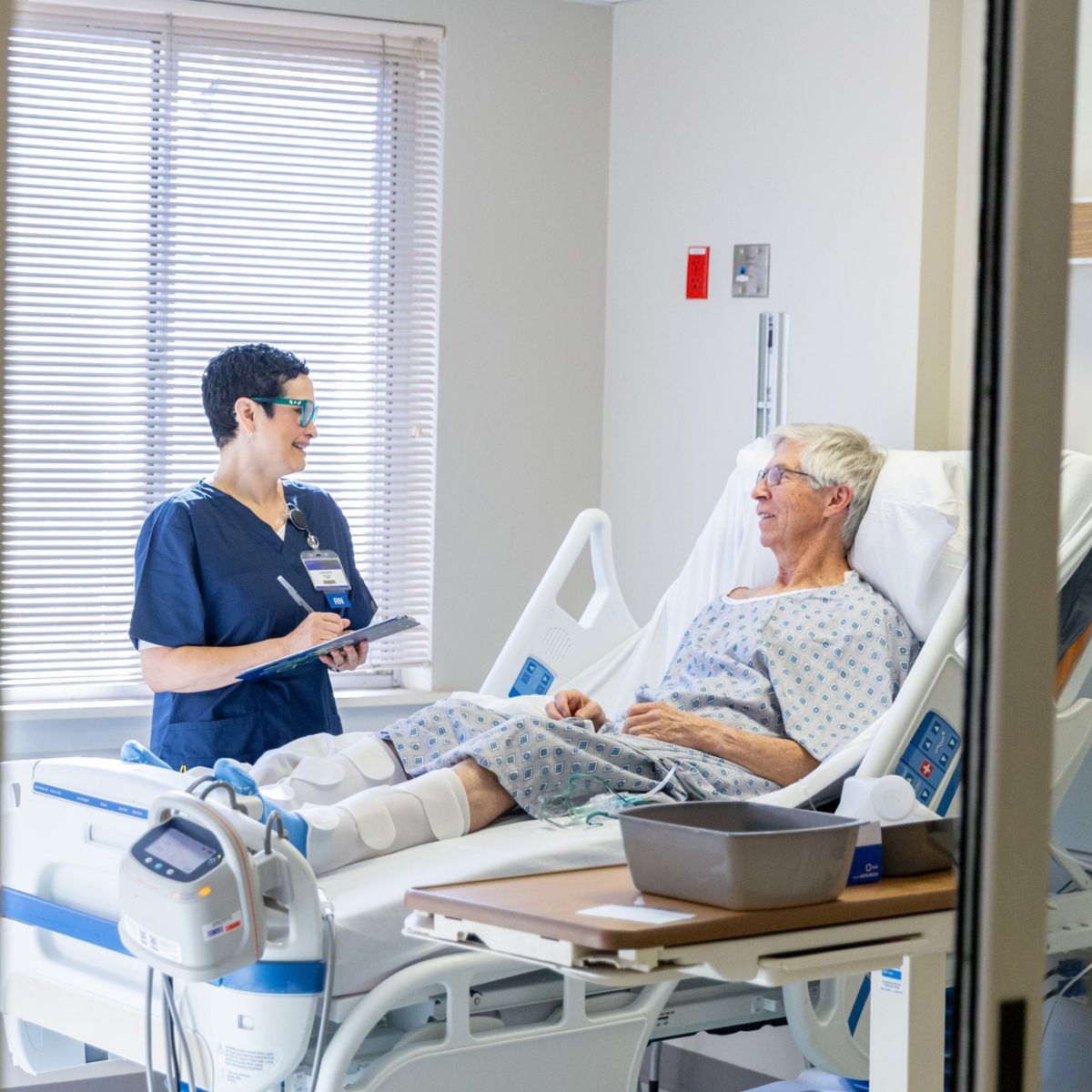
With the U.S. healthcare workforce projected to face historic shortages in 2026¹, post-acute and long-term care operations require efficient, streamlined solutions. Our integrated building automation systems help operators optimize facility performance, reduce operational expenses and support staff productivity across the entire care continuum.

Frequently Asked Questions About Energy Innovation
Our environmental monitoring systems continuously track temperature, humidity, air quality and other parameters that can impact resident health and infection rates. Proper HVAC operation and air quality management are essential for reducing airborne pathogen transmission. Automated systems can also monitor filter performance and alert staff to deviations, all while supporting mandates regulatory requirements for ventilation rates. Integration with building automation enables coordinated responses, such as adjusting airflow in isolation areas. All these capabilities help support infection control protocols while automatically generating the necessary documentation for regulatory compliance.
With the U.S. healthcare workforce facing shortages, building automation can help a facility’s teams work more efficiently with limited resources. Centralized monitoring can let maintenance and engineering staff oversee multiple buildings from a single interface, potentially reducing time spent on routine checks and enabling faster response. Remote access capabilities also let experienced technicians diagnose and resolve problems without having to spend time traveling to the site. Automated alerts can prioritize maintenance based on actual system performance rather than fixed schedules, which can help teams extend technical expertise on more critical patient needs.
Sources:
1 https://www.aha.org/aha-center-health-innovation-market-scan/2025-12-09-health-care-workforce-system-under-pressure-poised-reinvention
2 https://www.kff.org/medicaid/a-look-at-nursing-facility-characteristics/
3 https://www.honeywell.com/us/en/news/press-releases/2020/06/honeywell-and-sap-partner-to-improve-building-performance-with-integrated-cloud-based-business-and-operational-technology-data
4 https://www.honeywell.com/us/en/insights/customer-stories/25-york-street
5 https://www.eere.energy.gov/buildings/publications/pdfs/alliances/hea_hvac_fs.pdf
