Critical Minerals

Process automation for critical minerals mining

Integrated process automation helps to increase production capacity while improving overall operational performance.

Integrated process automation helps to increase production capacity while improving overall operational performance.
Aerial salt evaporation ponds harvester mineral extraction

Integrated process automation helps to increase production capacity while improving overall operational performance.

Critical Minerals Process Automation Delivers Measurable Results

Critical minerals operations face unprecedented demand growth as electric vehicles, renewable energy and grid storage transform global energy systems. Lithium demand alone could rise 1,500% by 20501, while workforce skills gaps and ambitious net-zero commitments add operational complexity. Our integrated automation solutions help critical minerals producers improve recovery rates, rationalize energy consumption and scale production to meet surging demand while achieving sustainability targets.
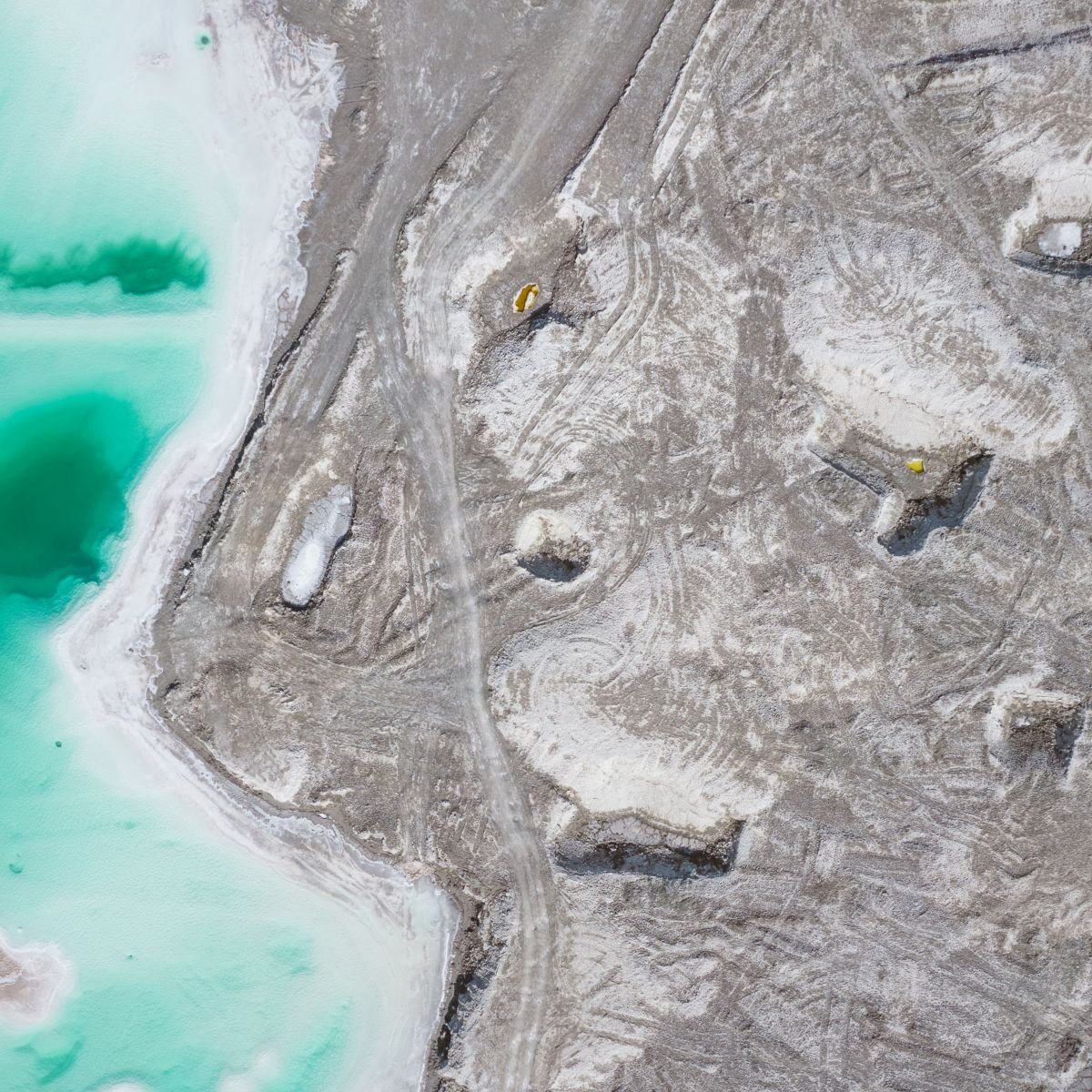
Aerial lithium brine evaporation pond mining operation

Help improve critical mineral recovery and throughput

Our process automation and improvement technologies help operations improve critical mineral recovery rates, reduce waste and increase throughput across extraction, concentration and refining processes. 


  • Advanced process control adjusts operating parameters in near real-time to help optimize recovery across varying ore grades and compositions 
  • Metal balance accounting tracks and reconciles material flows throughout the process, identifying losses and improvement opportunities 
  • Plantwide improvement coordinates multiple unit operations to help improve overall system performance 
    Process digital twins enable operators to test changes virtually before implementation, helping reduce risk and accelerate improvement cycles
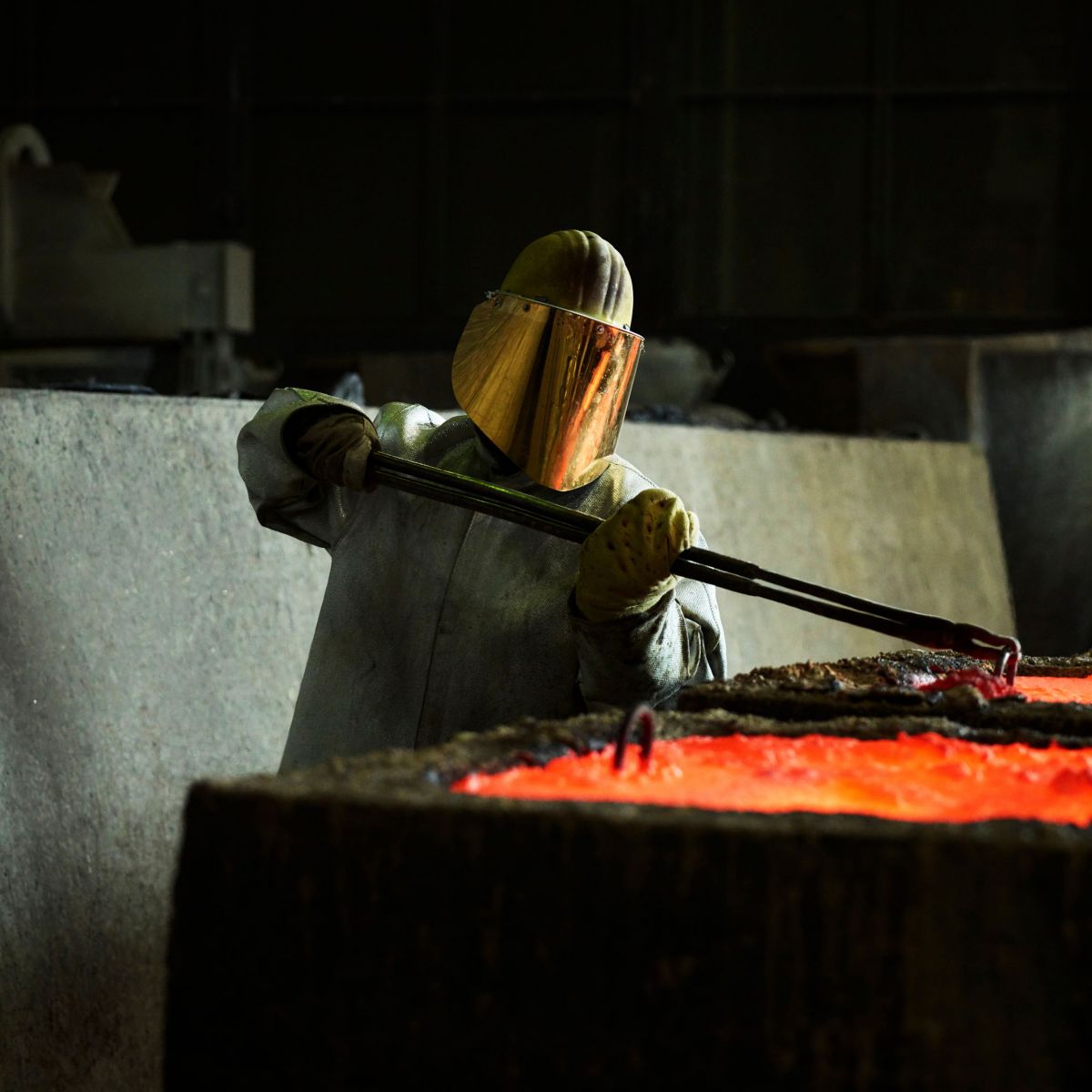
foundry worker molten metal furnace

Build workforce competency and operational resilience

As mining technology evolves, operations require systematic approaches to developing and maintaining workforce capabilities. Our workforce competency technologies help train personnel, standardize procedures and maintain operational continuity despite turnover and expanding operations. 


  • Digital training modules offer consistent skills development across sites, helping workers to build competencies at their own pace
  • Guided workflows provide step-by-step procedures for complex tasks, helping to reduce errors and improve consistency 
  • Inspection rounds capture operational data through mobile devices, aiding in the completion and documentation of critical checks  
  • Remote operations support enables experts to assist field personnel through video collaboration and augmented reality guidance
Our energy storage, monitoring and improvement technologies help reduce energy intensity, integrate renewable power sources and lower emissions across extraction and processing activities.

Reduce energy costs and emissions

Our energy storage, monitoring and improvement technologies help reduce energy intensity, integrate renewable power sources and lower emissions across extraction and processing activities. 
 

  • Battery energy storage systems (BESS) provide operational resilience and help integrate renewable energy sources  
  • Near real-time energy monitoring tracks consumption across operations, helping to identify inefficiencies and optimization opportunities 
  • Automated control systems can adjust energy-intensive processes based on power availability and cost, which can reduce overall energy expenditure 
  • Predictive analytics help identify equipment performance degradation and prevent increased energy consumption or unplanned downtime
  • 400% demand increase expected

    for lithium, cobalt and other critical minerals for the energy transition2

  • Help throughout increase

    with Honeywell Advanced Process Control (APC) technology3

  • 33% of the world’s mining companies 

    have set net-zero targets for scope 1 and 2 emissions by 20504

FAQ About Critical Minerals Process Automation

Critical minerals such as lithium and rare earth elements often require more complex processing steps with tighter control requirements than traditional base metals. Lithium extraction from brines, for example, demands precise management of evaporation rates, concentration levels and precipitation chemistry across multiple stages. Our automation systems offer necessary advanced process control to help handle these complexities, including multivariable control and near real-time composition tracking using analytical instruments and model predictive control. These capabilities can anticipate process behavior, help maintain operations product specifications and improve recovery from ore bodies and feed materials.

Meeting the projected 400% increase in demand for critical minerals2 requires adequate capacity and operational efficiency. Digital transformation can enable both through connected operations that link process data, equipment performance and workforce activities into integrated systems. Our digital transformation capabilities include production intelligence that can aggregate data across operations to identify bottlenecks and improvement opportunities and asset performance monitoring to predict equipment failures before they occur. Additionally, capabilities such as enterprise data management can make available operational information for analysis and decision-making. These digital foundations help scale critical minerals operations by improving existing asset utilization before building new capacity and provide operational insights to help optimize new facilities from startup.1

Achieving production growth while reducing emissions requires systematic approaches to energy management. Our integrated energy management capabilities can help operations measure, manage and rationalize energy consumption through complementary approaches. Battery energy storage systems (BESS) enable effective integration of renewable energy sources, while providing grid resilience and reducing peak demand charges. Near real-time energy monitoring helps identify which equipment and processes consume the most energy for process optimization. A systematic approach can help reduce energy intensity and meet production targets even as production volume increases.

Workforce development, in tandem with technology implementation, can help operations realize automation benefits. Our workforce competency approach combines training capabilities with operational support tools to help personnel develop skills progressively, while digital training builds foundational knowledge before hands-on application. Guided workflows then support workers as they apply newly developed skills through step-by-step application to help reduce errors during the learning phase. When site personnel encounter unfamiliar situations, connected worker technologies can effectively extend remote expert support across multiple locations. This layered approach helps operations implement advanced process automation without waiting for workforce skills to develop organically.

Optimize Your Critical Minerals Operations

Explore advanced solutions for critical mineral recovery