Green and DRI Steel

Automation for Green Steel Production

Automation helps green steel producers increase efficiency and support their decarbonization goals.

Automation helps green steel producers increase efficiency and support their decarbonization goals.
Coiled steel flat strip industrial metal roll

Automation helps green steel producers increase efficiency and support their decarbonization goals.

Green Steel and DRI Steel Automation Help Achieve Production Goals


Direct reduced iron (DRI) production and green steel manufacturing demand precision control, emissions management and operational reliability beyond the capabilities of traditional blast furnace operations. With hydrogen-based reduction replacing carbon-intensive processes, steel producers require automation that can improve complex chemistry, maintain equipment health across DRI sections and effectively integrate carbon capture systems. We deliver automation and monitoring solutions that help facilities transition to lower-carbon steel production while protecting assets, meeting efficiency targets and positioning operations for long-term competitiveness.
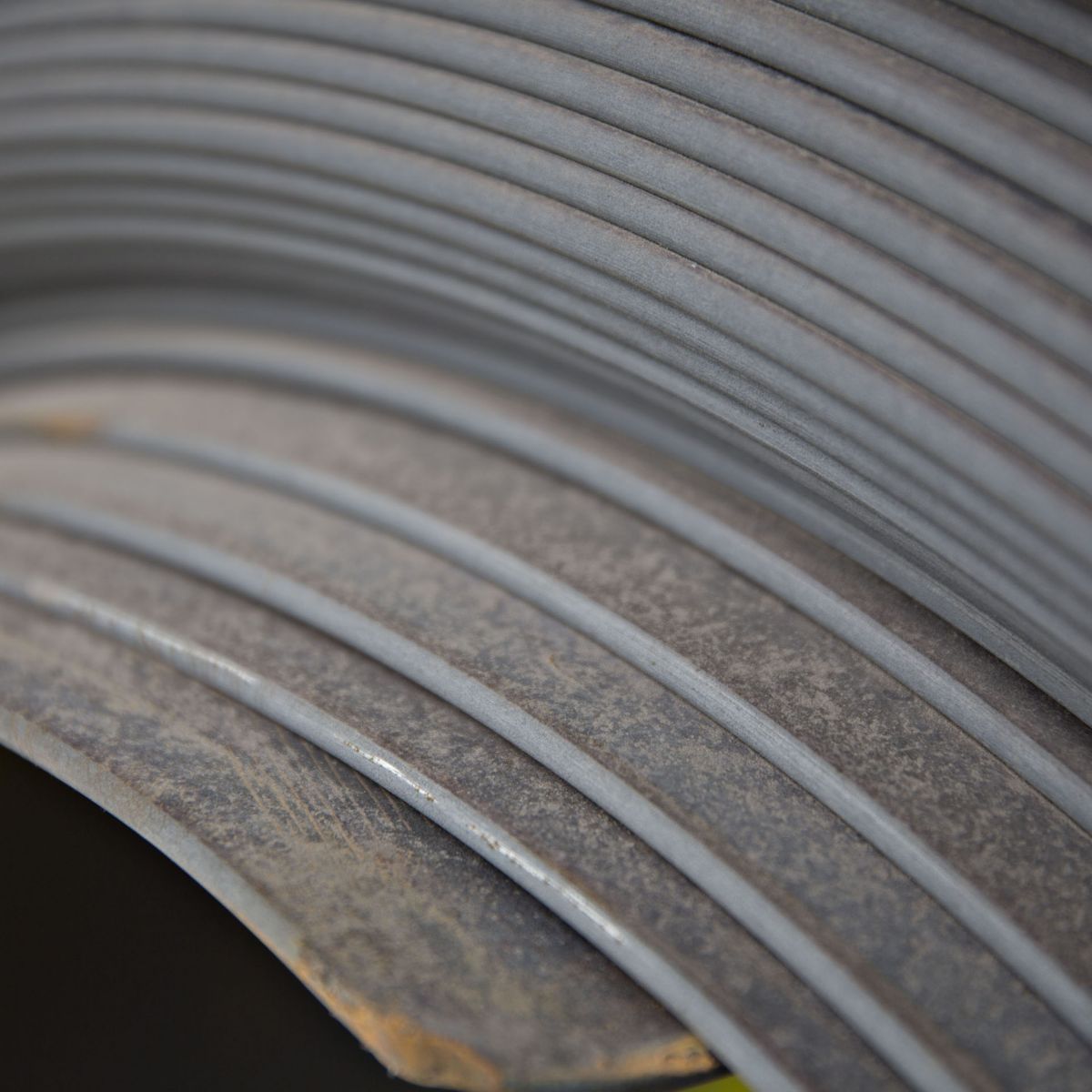
Coiled steel flat strip industrial metal roll

Optimize DRI equipment performance and prevent costly failures

Critical assets in DRI steel facilities operate under demanding, high-heat conditions. Equipment health monitoring can detect developing faults early and schedule maintenance proactively, helping to maintain production continuity. 
 

  • Wireless sensor networks covering critical assets transmit vibration, temperature and performance data using LoRaWAN technology
  • Multi-parameter measurements include 3-axis acceleration, velocity, surface temperature, noise levels and ambient conditions that can provide comprehensive asset health insights through a single device
  •  ISO 10816-3 standard-based monitoring alerts teams of potential catastrophic failure
  • Experion Equipment Health Monitoring dashboards deliver site-level visibility into asset conditions, helping maintenance teams respond promptly
Our energy storage, monitoring and improvement technologies help reduce energy intensity, integrate renewable power sources and lower emissions across extraction and processing activities.

Reduce carbon emissions through integrated capture and hydrogen recovery

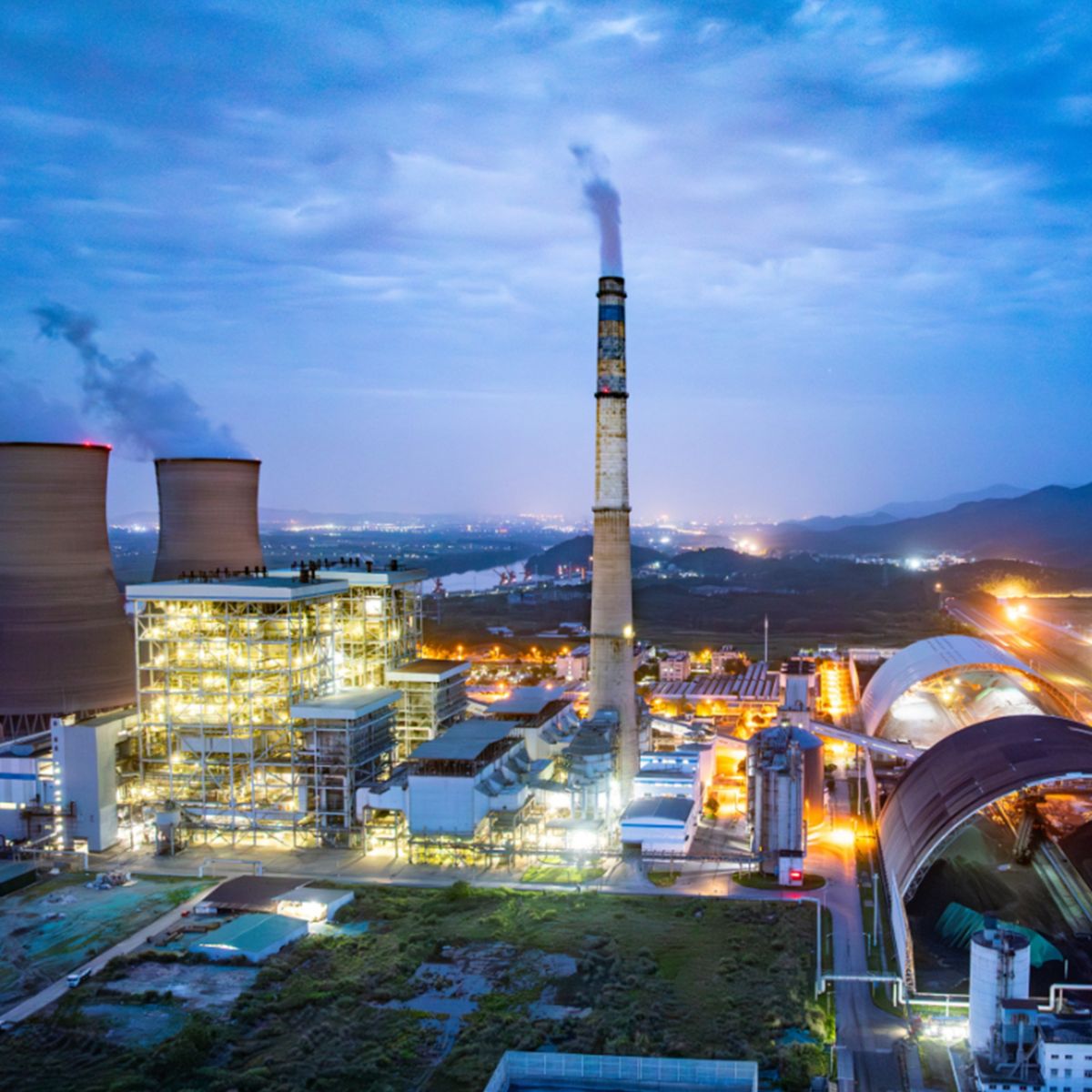
Steel production generates substantial CO₂ emissions that require capture, compression and either sequestration or utilization. Integrating carbon capture technologies with production automation helps facilities meet emissions reduction targets while potentially recovering valuable hydrogen as a co-product. 


  • Advanced solvent carbon capture systems treat blast furnace flue gases and DRI plant emissions, helping reduce parasitic energy loads through patented heat exchange designs
  • Pressure swing adsorption combined with cryogenic fractionation can enable flexible approaches to carbon capture
  • Compressor control systems help maintain stable CO₂ compression, potentially preventing trips that disrupt operations. 
  • Hydrogen recovery from flue gases can provide fuel value and additional revenue streams
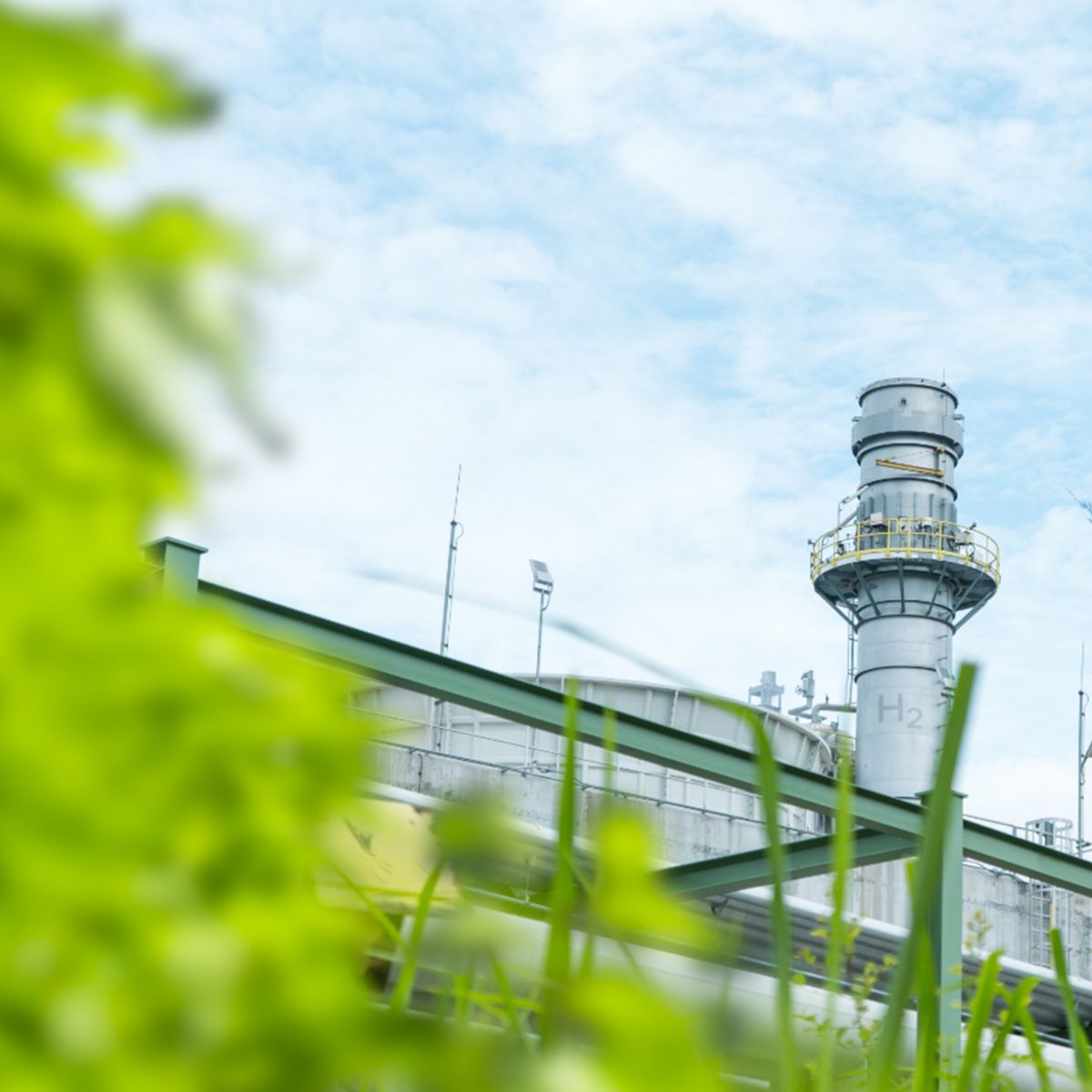
Hydrogen-based DRI steel represents the future of low-carbon steel making, replacing coal and natural gas with hydrogen.

Support transition to hydrogen-based direct reduced iron production

Hydrogen-based DRI steel represents the future of low-carbon steel making, replacing coal and natural gas with hydrogen. 


  • Process control systems optimized for hydrogen-fed reduction reactors help maintain precise temperature, pressure and gas composition control to help achieve consistent DRI steel quality and metallization rates
  • Integrated safety instrumentation monitors hydrogen concentrations, manages emergency shutdown sequences and implements defense-in-depth strategies to help protect personnel and assets
  • Analytics track reduction efficiency, energy consumption and product quality, helping operators improve hydrogen usage and reduce production costs
  • Flexible system architecture can accommodate hybrid operations burning both natural gas and hydrogen

Frequently Asked Questions About Green Steel and DRI Steel Automation

Transitioning to hydrogen-based DRI requires fundamentally different process control compared to traditional blast furnace operations. Automation systems designed for hydrogen-fed reactors manage the unique reduction chemistry, tracking hydrogen consumption rates, helping reduce temperatures and maintaining precise gas composition to achieve target metallization levels. 


These systems also integrate comprehensive safety instrumentation to address hydrogen's distinct hazard profile, implementing multi-layer protection, including leak detection, emergency shutdown systems and continuous monitoring of hydrogen concentrations. Many facilities adopt a phased approach, operating in hybrid mode with automation managing variable ratios of natural gas to hydrogen. This method allows gradual transition as hydrogen infrastructure develops, with control systems dynamically adjusting operating parameters to help maintain consistent DRI quality regardless of fuel mix.


DRI facilities contain numerous critical assets including de-dusting fans, reduction furnace motors, product discharge systems and material handling conveyors operating at power ratings from 30 kW to 500 kW. Wireless vibration monitoring using LoRaWAN-based transmitters provides comprehensive coverage across these distributed assets without requiring complex wiring infrastructure. 


Multi-parameter sensors track 3-axis acceleration and velocity, surface temperatures, ambient conditions and additional metrics, transmitting root mean square data every hour and detailed FFT spectral analysis every 8 hours. This continuous monitoring helps enable detection of developing faults days or weeks before possible failure. When vibration patterns exceed ISO 10816-3 thresholds and trend toward damage occurring status, automated alerts notify maintenance teams who can schedule repairs during planned outages rather than experiencing unexpected shutdowns that stop HDRI feed to steel-making operations further downstream.

Steel plants generate CO₂ from multiple sources including blast furnace off-gas, DRI reduction reactions and fired heaters, commonly producing millions of tons per year1. Capturing this CO₂ for sequestration or utilization requires complex compression, dehydration and transport systems.


Automation systems designed for carbon capture manage the precise control needed for CO₂ compressors. Advanced control strategies implement tight limiting setpoints to help avoid trips on low suction pressure or high discharge pressure. They can also utilize decoupling controls to prevent individual loop actions from causing shutdowns as well as fine-tune performance controls to maintain stable discharge pressure to downstream transport systems. 


These automation architectures can limit emissions while improving overall machine availability by helping prevent cascading production disruptions that occur when carbon capture systems trip offline. 

Honeywell's platforms integrate hydrogen-based DRI reactors, carbon capture units and advanced emissions monitoring into existing steel facilities using open communication protocols. Experion and ControlEdge PLC systems support OPC UA, providing connectivity to legacy distributed control systems from multiple vendors without requiring custom protocol conversion. 


OPC UA integration includes auto-configuration capabilities and delivers integrated diagnostics for both legacy and new control equipment through a common operator interface. For facilities implementing phased decarbonization, Honeywell's Distributed Server Architecture accommodates gradual addition of carbon capture systems, hydrogen infrastructure and green steel automation while maintaining coordinated operation with existing mill control systems. 


ControlEdge PLC's built-in cybersecurity features protect connected operational technology environments throughout the integration, with secure IIoT-ready connectivity and certified cybersecurity protocols that can safeguard critical information across both new automation and legacy production systems.

Modernize Your Green Steel Infrastructure

Take the next step into the future of hydrogen-based steel production