
Expanded Pathways for Lower-Carbon Energy
Following the acquisition of Johnson Matthey Catalyst Technologies, Honeywell Technologies offers a strengthened portfolio spanning lower-carbon hydrogen and ammonia, sustainable aviation fuel, sustainable methanol, CO₂-derived fuels, synthetic natural gas and refinery performance.
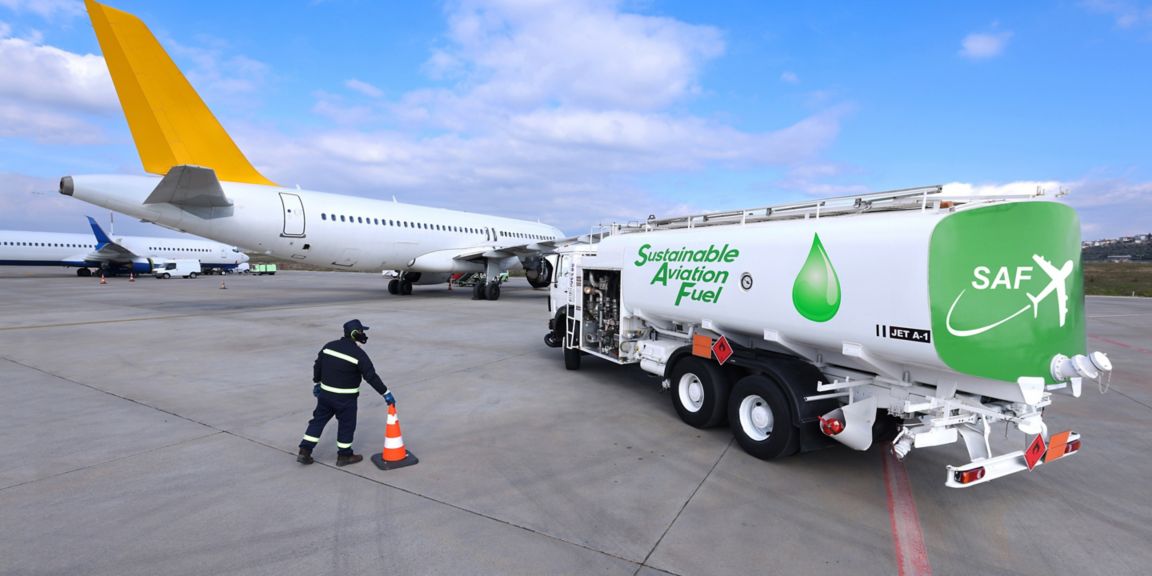
Following the acquisition of Johnson Matthey Catalyst Technologies, Honeywell Technologies offers a strengthened portfolio spanning lower-carbon hydrogen and ammonia, sustainable aviation fuel, sustainable methanol, CO₂-derived fuels, synthetic natural gas and refinery performance.
-
LCH™ Blue Hydrogen
ATR and ATR + GHR configurations
LCH™ technology uses autothermal reforming, with the option of a gas heated reformer, for large-scale, lower-carbon hydrogen production with integrated carbon capture.
- Flexible ATR or ATR + GHR configurations
- Designed for integration with carbon capture
- Suitable for hydrogen and blue ammonia projects
-
decam™ Blue Ammonia
Integrated hydrogen and ammonia offering
The jointly developed decam™ offering integrates Honeywell Technologies’ LCH™ technology with the thyssenkrupp Uhde ammonia process, providing a pathway designed to help reduce carbon intensity associated with ammonia production, depending on feedstock, configuration, CO₂ capture rate, and storage or utilization pathway.
- Integrated blue hydrogen and ammonia solution
- Combines established process technologies
- Supports new lower-carbon ammonia capacity
-
ADEPT™ Ammonia Cracking
Hydrogen delivery from ammonia
ADEPT™ technology converts ammonia back into hydrogen, supporting the use of ammonia as a practical carrier for hydrogen transport, storage and delivery.
- Ammonia-to-hydrogen conversion
- Supports hydrogen import and distribution chains
- Complements lower-carbon ammonia production

-
FT CANS™ + FT Unicracking™
Fischer-Tropsch SAF pathway
FT CANS™, developed with bp, converts synthesis gas derived from biomass or municipal solid waste into synthetic crude. Honeywell UOP FT Unicracking™ then upgrades the product into SAF and other fuels.
- Biomass and waste-derived feedstocks
- Integrated synthesis and upgrading route
- Modular Fischer-Tropsch technology
-
HyCOgen™ + FT CANS™
CO₂-derived eSAF pathway
HyCOgen™ converts captured CO₂ and hydrogen into synthesis gas optimized for FT CANS™, creating an integrated route to eSAF and other synthetic fuels.
- Captured CO₂ to synthesis gas
- Optimized integration with FT CANS™
- Route to eSAF and synthetic fuels
-
BioForming® S2A
Sugars to SAF pathway
Developed by Virent and further advanced in collaboration with CT, BioForming® S2A converts renewable sugar feedstocks into aromatic hydrocarbons used in fuels and chemicals. The technology can produce BioForm® SAK, an aromatic component for aviation fuel that complements paraffinic SAF pathways.
- Renewable sugar feedstocks
- BioForm® SAK aromatic component for aviation fuel
- Drop-in aromatic products for fuel and chemical systems
-
Methanol-to-Jet
Sustainable methanol to SAF
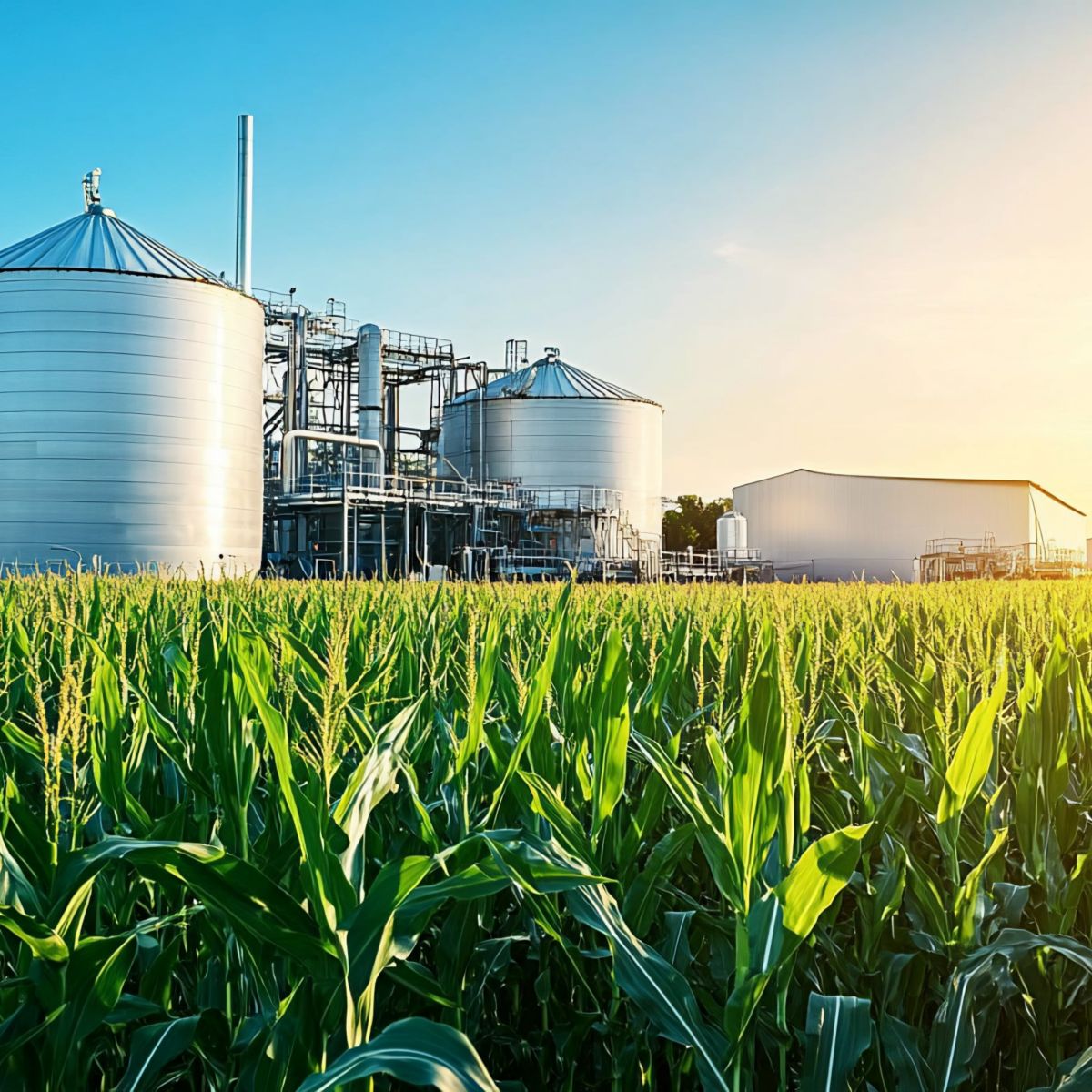
eMERALD™ methanol technology converts captured CO₂ and renewable hydrogen into methanol, which Honeywell UOP eFining™ can upgrade into SAF and other fuel products. The route can also use sustainable methanol produced from other qualifying feedstocks.
- eMERALD™ production of methanol from captured CO₂ and renewable hydrogen
- Integrated fuel upgrading through Honeywell UOP eFining™
- Supports sustainable methanol from multiple qualifying feedstocks
-
Biomass and Waste to Methanol
Flexible synthesis gas feedstocks
Synthesis gas produced from biomass or waste can be converted into methanol using Honeywell Technologies process technology and catalysts.
-
CO₂ to Methanol
eMERALD™ technology
eMERALD™ converts captured CO₂ and renewable hydrogen into methanol for chemicals, marine fuels and downstream fuel production.
-
Methanol Synthesis Catalysts
KATALCO™ 51-series
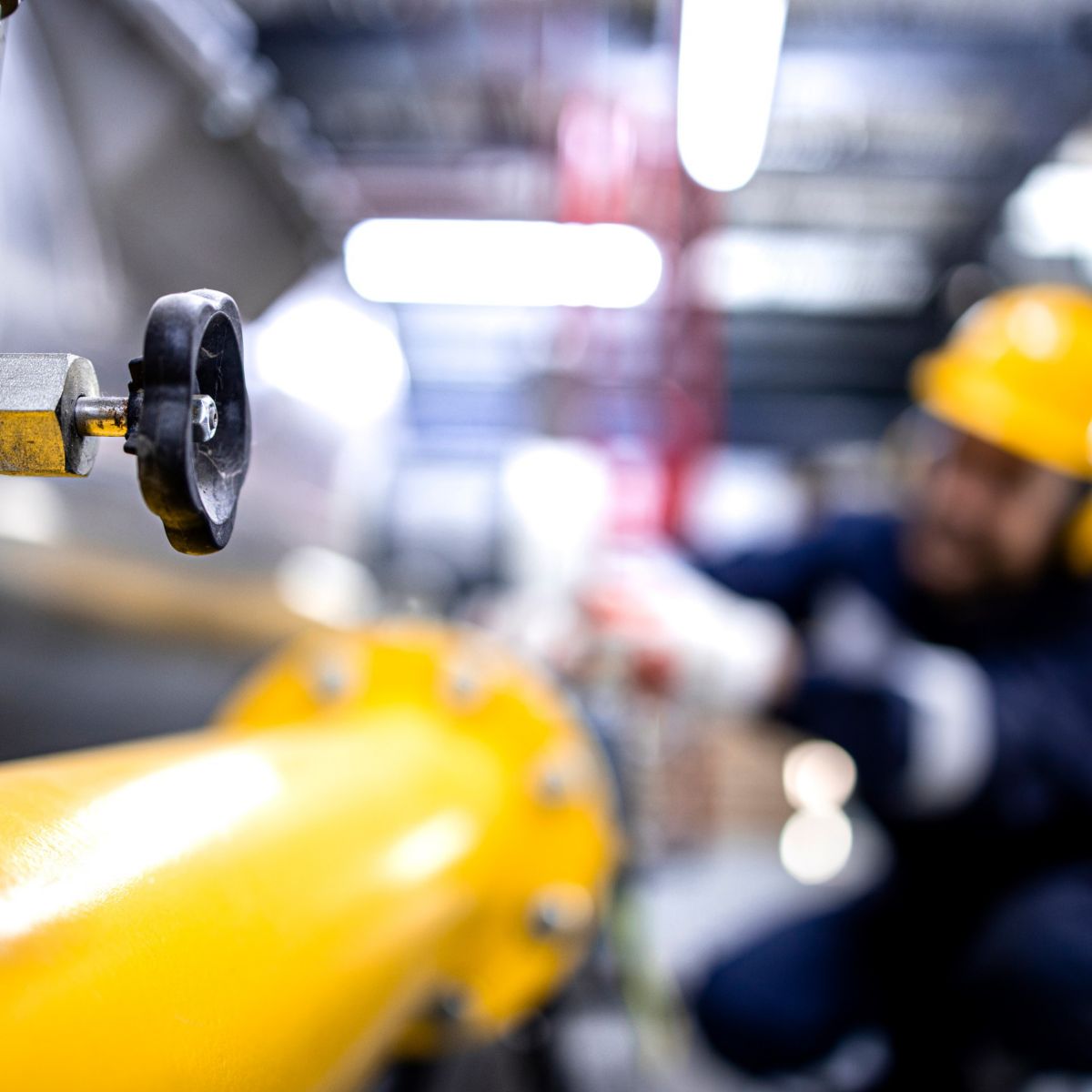
KATALCO™ 51-series catalysts deliver efficient methanol synthesis across conventional and alternative feedstocks, combining high productivity with long operating life.
-
SNG Production
Synthesis gas to methane
Proven methanation technology converts synthesis gas into pipeline-quality synthetic natural gas for projects using coal, biomass or other gasified feedstocks.
-
e-SNG
Captured CO₂ and renewable hydrogen
Captured CO₂ and renewable hydrogen can be converted into synthetic natural gas compatible with existing gas infrastructure.
-
Catalysts and Purification
Integrated process support
Methanation catalysts and purification solutions protect the process, maintain conversion performance and support reliable long-term operation.
-
CO₂ to Methanol to Fuels
eMERALD™ produces methanol from captured CO₂ and renewable hydrogen. The methanol can then be used directly or upgraded through eFining™.
-
CO₂ to Syngas to eSAF
HyCOgen™ produces synthesis gas optimized for FT CANS™, enabling an integrated route to eSAF and other synthetic fuels.
-
CO₂ to e-SNG
Captured CO₂ and renewable hydrogen can be converted through methanation into e-SNG for use in existing gas infrastructure.
-
Emissions Control
SOx, NOx and afterburn management
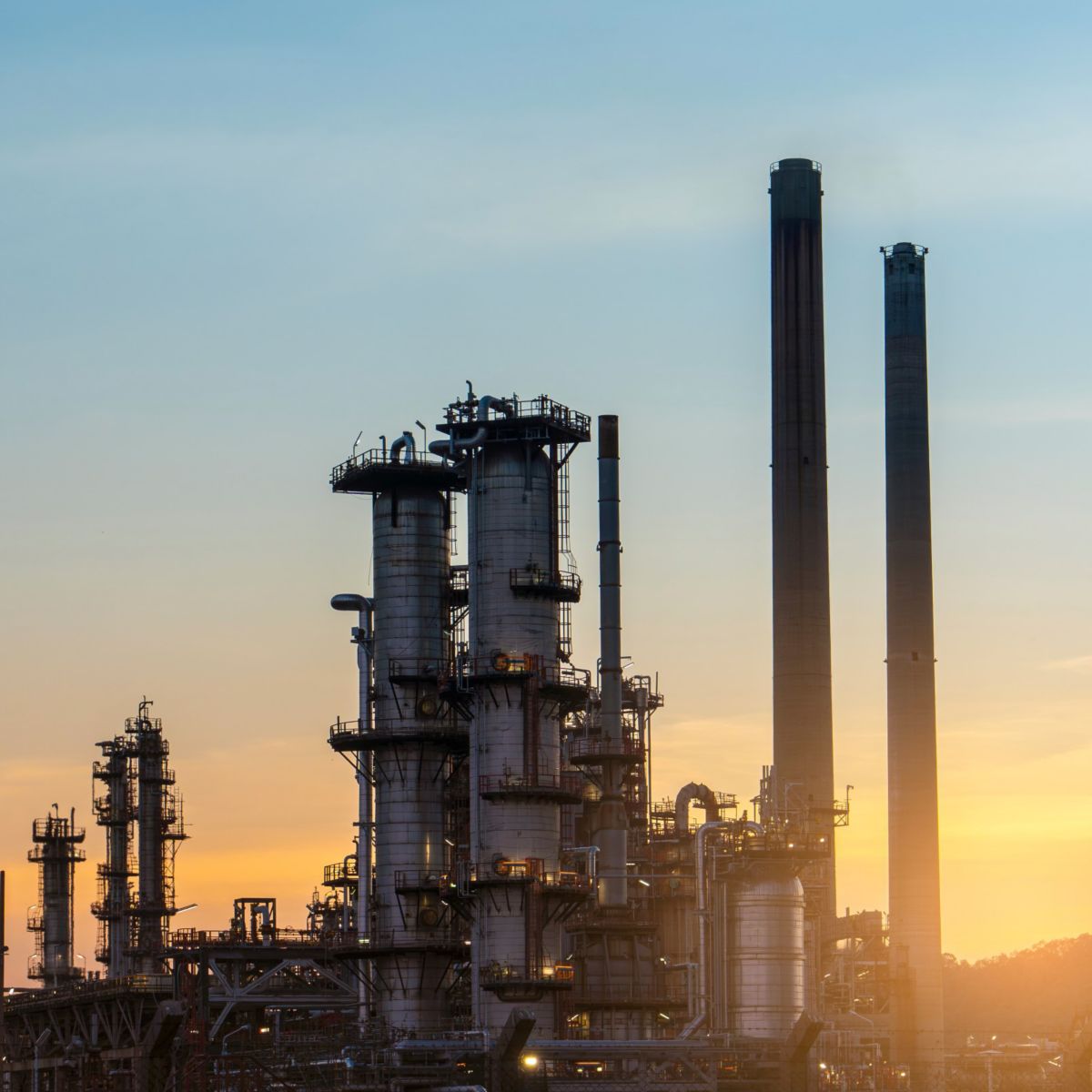
Additives help control regenerator emissions and afterburn within existing FCC unit configurations, supporting environmental and operating objectives.
-
Yield Enhancement
LPG, olefins and octane
Specialist additives can support higher propylene, butylene, LPG and octane production, depending on feedstock, unit design and operating conditions.
-
Metals Management
Feedstock flexibility
Metals passivation and bottoms-cracking additives help refiners manage nickel and vanadium contamination and process a wider range of opportunity feedstocks.
