
Capture waste heat
Excess steam, condensing vapors and hot process liquids contain an abundance of residual energy that is normally released into the atmosphere instead of recovered. The QHT can upgrade waste heat at temperatures as low as 80°C.
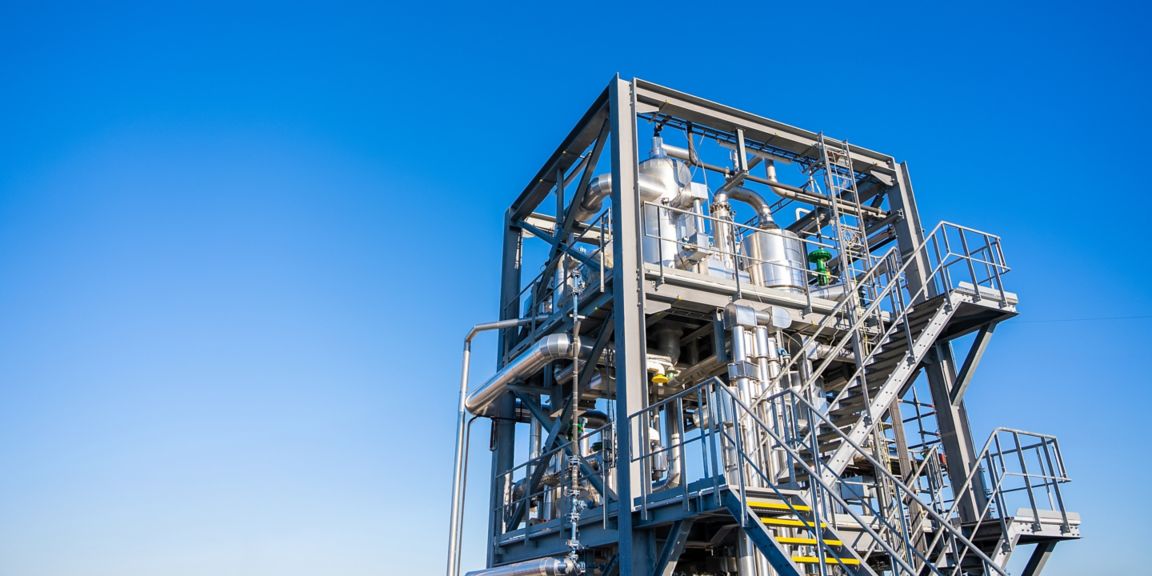
Patented Qpinch Heat Transformer (QHT) technology upgrades waste heat into industrial heat to provide energy efficiency, OpEx saving and reduce carbon emissions(*).
In collaboration with Honeywell Technologies UOP and Qpinch, Qpinch Heat Transformer (QHT) offers an innovative solution which combines efficiency and flexibility. This unique combination allows the technology to be integrated into just about any site. It transforms waste heat into upgraded valuable process heat, with very little electricity consumption, providing the best financials within its technology category.
(*) If the upgraded heat is used to offset heat input derived from the combustion of fossil fuels this can result in a positive impact on one’s CO2 emissions.

Excess steam, condensing vapors and hot process liquids contain an abundance of residual energy that is normally released into the atmosphere instead of recovered. The QHT can upgrade waste heat at temperatures as low as 80°C.

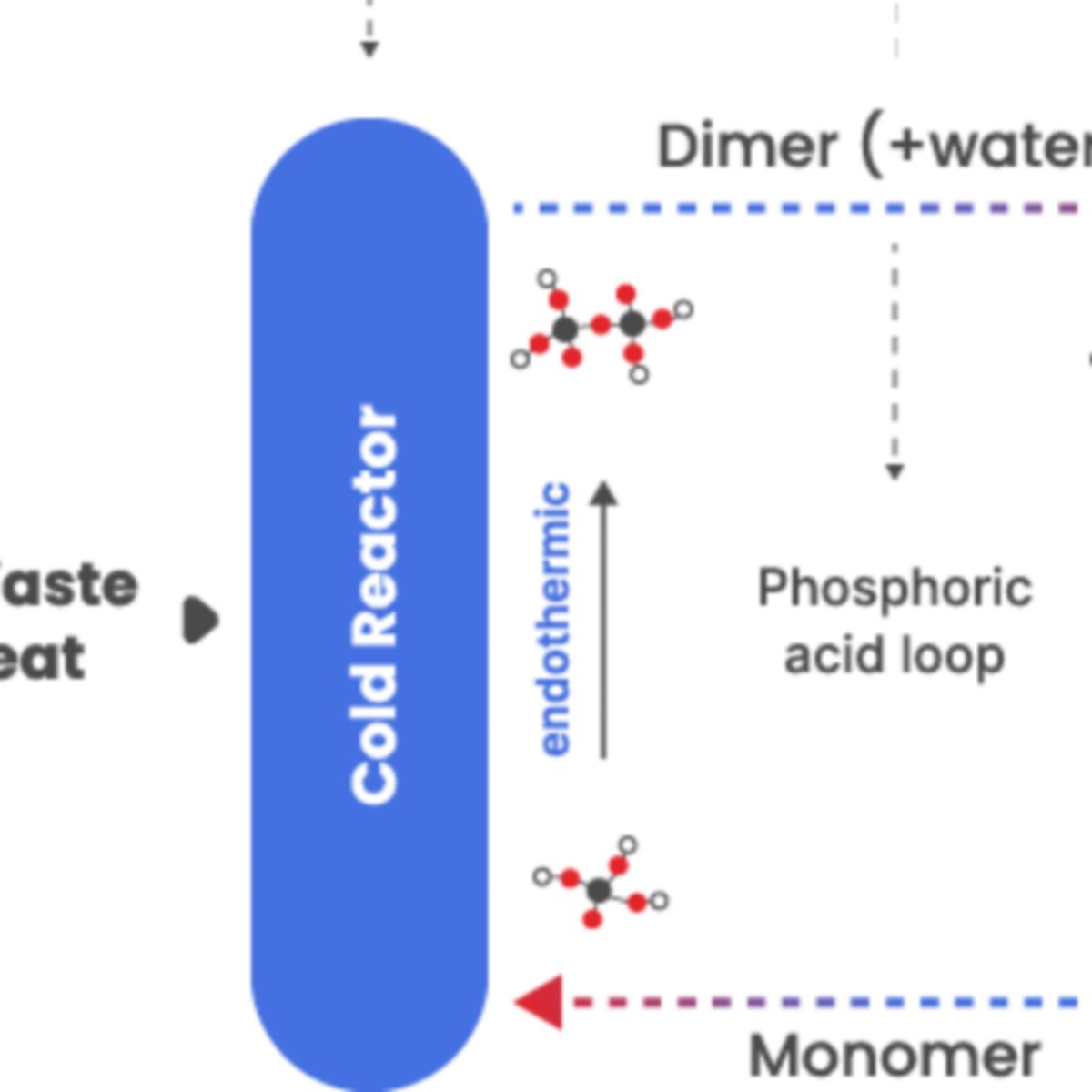
The captured low temperature waste heat can be transformed into a higher temperature process heat, using a physicochemical reaction. Very little electricity is needed to drive the temperature lift.

50% of the residual heat is recovered and transformed into a new process heat with a temperature lift up to 100 °C, depending on the source’s waste heat temperature.

Minimal maintenance: A Qpinch Heat Transformer is built with industry-standard components that uses no compressors, making the installation highly efficient and with low-maintenance requirements.
Safety compliance and sustainability: The QHT complies with strict industry safety regulations, and is a proven technology backed by 14 years of research and development. The QHT operates without chemical consumption or use of catalysts. As a bonus, the implementation of heat recovery systems may qualify plants for incentives, credits or certificates.
Flexible technology: The QHT can cope with a wide range of temperature fluctuations, operating from 10% to 100% of design duty, all with limited need for operator intervention. The technology allows for the combination of multiple heat sources and varying output temperature.
Low OpEx - high yield: The combination of marginal electricity requirements and low-maintenance demands of the QHT, results in the most efficient process steam output for the money invested: a maximum 40kW of electricity per MW steam.
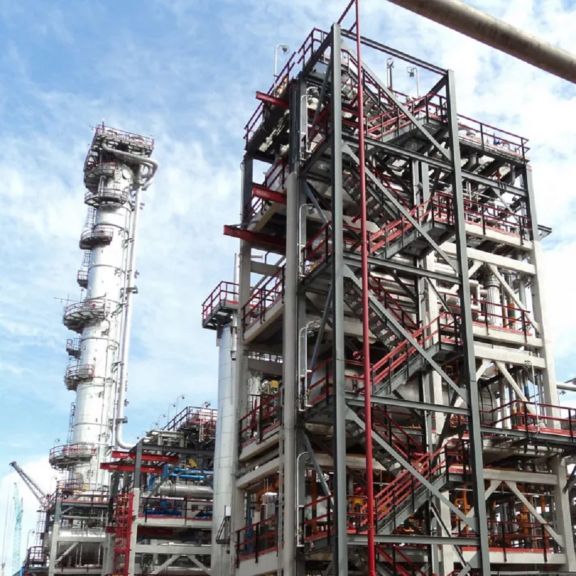
Modular construction is transforming the industrial landscape by offering faster, more cost-effective, and scalable solutions. By constructing pre-engineered modules offsite, companies can significantly reduce installation time, minimize disruptions, and ensure higher quality through controlled fabrication. This approach is particularly valuable in energy-intensive industries, where efficiency, reliability, and rapid deployment are critical.
Honeywell Technologies UOP and Qpinch solutions offer enhanced energy efficiency, lower CO2 emissions (when the upgraded heat is utilized to offset fossil fuel combustion elsewhere in the facility), and reduced operating costs. As industries pursue sustainable and high-performance solutions, Honeywell Technologies UOP is enabling a new benchmark for efficiency and innovation, guiding clients toward a more energy-efficient future.


