

-
-
Building Automation
Go beyond building controls.
Industrial Automation
Sensing Solutions, Gas & Flame Detection.
Process Automation & Technology
Measurement & Control, Smart Energy, and Thermal Solutions.
Expert solutions powering the future of energy (includes UOP).
-
Home My Account Order Management Invoice Management Case Management Saved Carts Address Book Legacy myTransactions Price Agreement Wishlist Advanced Search Preferred Business EntitymyProcess Home My Account Favorites Saved Cart Address Book Order Management Invoice Management Quote History Discount History Service ContractsMy Account My Profile My Orders My Quotes My Returns Saved Carts Invoices My Contracts Case History Work Order History My Subscriptions My Assets Manage Trainings & UsersHome Account Case Management Order Management Saved Carts Favorites Address Book Asset Management Quote ManagementCurrency:
Changing Currency will cause your current cart to be deleted. Click OK to proceed.
To Keep your current cart, click CLOSE and then save your cart before changing currency.
Currency- CHOOSE YOUR CURRENCY
Update Currency
Changing Currency will cause your current cart to be deleted. Click OK to proceed.
To Keep your current cart, click CLOSE and then save your cart before changing currency.
Select AccountSwitching accounts will update the product catalog available to you. When switching accounts, your current cart will not move to the new account you select. Your current cart will be available if you log back into this account again.
Account# Account Name City Zip/Post Code PROCEEDCANCELMy Account
-
You are browsing the product catalog for
You are viewing the overview and resources for
to view parts associated with your account

RTP technology: biomass to renewable fuels
Convert non-food-based feedstocks into renewable fuel for heating, power and transportation.
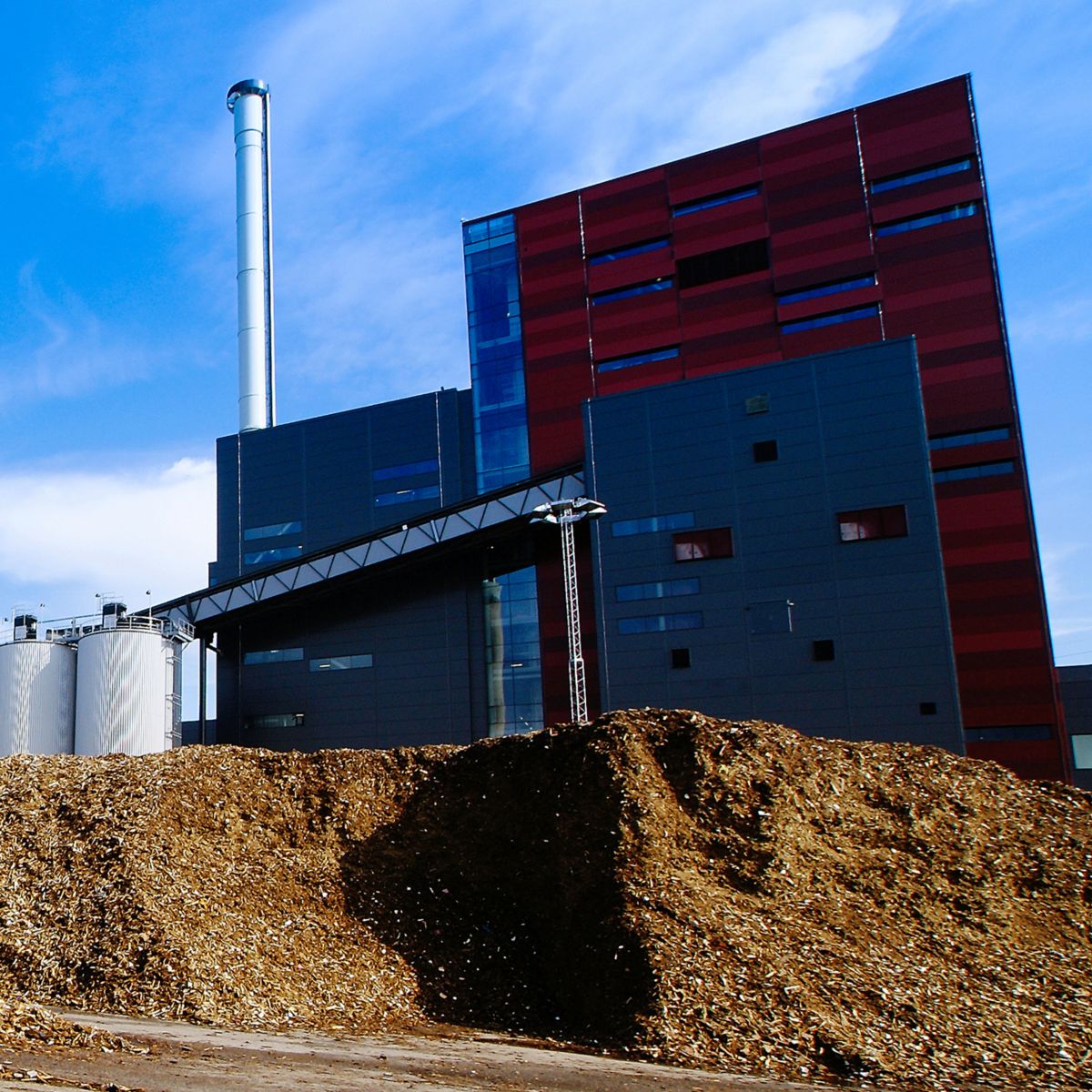
Biomass conversion
With growing concern on climate change, the search for renewable sources of energy has intensified. Honeywell Technologies UOP offers a practical and commercially proven fuel production process to help reduce emissions.
RTP, or rapid thermal processing technology, is a fast thermal conversion process used to convert biomass feedstock, usually forestry or agricultural residuals, into RTP fast pyrolysis oil—a light, pourable, clean-burning liquid biofuel. This fuel provides a cost-effective and lower-carbon alternative for heat, power generation and, with further refining, transportation fuels.

Produce diesel, gasoline and jet fuel derived from biomass
Using established Honeywell Technologies UOP hydroprocessing technology, you can further upgrade RTP fast pyrolysis oil to renewable gasoline, diesel and jet fuel that are virtually indistinguishable from their petroleum-based counterparts.
Upgraded RTP fuels are high-quality, drop-in biofuels that can utilize existing refining infrastructure, pipelines, trucks, pumps and even vehicle fleet technology. Switching to RTP fast pyrolysis oil as a feedstock means an expanded fuel supply to satisfy growing fuel demand and reduced greenhouse gas emissions – all at minimal capital expense for refineries or automobile and aircraft builders.

Reduce greenhouse gas emissions through biomass fuels
Honeywell UOP burner equipment and fuel delivery systems can use RTP fast pyrolysis oil in lieu of, or in addition to, comparable fossil fuel. To date, more than 15 million gallons of RTP fast pyrolysis oil has been used commercially to produce process heat in industrial burners.
Benefits of using RTP fast pyrolysis oil in burners:
- Generates process heat or steam with very low SOx emissions
- Reduces greenhouse gas emissions by as much as 90%
- Can be used as a cost-competitive direct replacement for natural gas or fuel oil
- Can be co-fired with coal or other fossil fuels
RTP is the only commercial scale pyrolysis technology available today to produce liquid renewable fuel for heat, power and transportation fuels. RTP technology rapidly heats cellulosic biomass to approximately 500°C in the absence of oxygen. A circulating transported fluidized bed reactor system, similar to the one used in the UOP Fluid Catalytic Cracking (FCC) technology , is at the heart of the process. A tornado of hot sand vaporizes the biomass, which is then rapidly quenched, typically yielding 65wt% to 75wt% RTP green fuel.
RTP technology offers exceptional versatility
- Minimal utility and infrastructure requirements – ideal for remote or existing facilities
- Handles a wide range of feedstocks – forestry and agricultural residuals, lignin material from the pulp and paper industry, post-consumer, wood-based construction and demolition materials as well as sustainable energy crops such as miscanthus and switch grass
- Compact, modular construction can reduce the total installed cost and shorten the delivery schedule
- RTP green fuel is storable, transportable, efficient and available on-demand
A clean-burning, sustainable cost-effective fuel oil substitute
With virtually no sulfur, RTP green fuel is produced in a nearly carbon-neutral method, helping companies reduce their carbon footprint. This pourable, liquid fuel can be adapted for use in most energy-intensive heavy industries, including electrical generation, industrial heat, forestry, refining, petrochemicals, and pulp and paper.
RTP technology also produces char and a non-condensable gas, both of which can be used to provide process energy in the reheater to maintain the RTP process and/or in the dryer to condition the biomass. This makes the RTP process virtually self-sustaining.
RTP Yields
| Biomass Material | Yield (wt%) | Gross Caloric Value (MJ/kg) | Higher Heating Value (Btu/lb) |
|---|---|---|---|
| Hardwood | 70–75 | 17.2–19.1 | 7,400–8,000 |
| Softwood | 70–80 | 17.0–18.6 | 7,300–8,000 |
| Hardwood Bark | 60–65 | 16.7–20.2 | 7,180–8,680 |
| Softwood Bark | 55–65 | 16.7–19.8 | 7,180–8,500 |
| Corn Fiber | 65–75 | 17.6–20.2 | 7,570–8,680 |
| Bagasse | 70–75 | 18.9–19.1 | 8,100–8,200 |
Ready To Connect?
Contact us to schedule a meeting with our sales team to discuss how
Honeywell Technologies UOP can help you.
Copyright © 2026 Honeywell International Inc

Maximum File Size
Maximum Files Exceeded
Due to inactivity you will be logged out in 000 seconds.
Maximum File Size
Maximum Files Exceeded
You cannot access this page as this product is not available in your country.
Maximum File Size
Maximum Files Exceeded
This product is not available in your country.
You cannot access this page as this product is not available in your current country. To view this product, please change your product catalog view.
