
Honeywell's catalyst-coated membranes (CCMs) address green hydrogen's commercial challenge: it needs scale to be affordable but needs affordability to reach scale. Advanced CCMs are designed to achieve higher hydrogen production at lower cost. AEM options can eliminate precious metals on the anode catalyst while helping maintain performance, which can help reduce both capital and operating expenses.

A breakthrough advance in green hydrogen production
Honeywell Technologies UOP has developed a new higher efficiency catalyst-coated membrane (CCM) for PEM and AEM electrolyzers that creates more hydrogen at lower cost.
Advanced catalyst-coated membrane technology
Green hydrogen CCM FAQs
Hydrogen itself is a clean-burning, zero-carbon fuel source. However, the most common methods for large-scale hydrogen production today involve fossil fuels like natural gas and coal, which produce carbon emissions. These traditional processes are known as Grey Hydrogen production. Green Hydrogen production is an inherently carbon-neutral method of hydrogen production whereby hydrogen is generated by water electrolysis using renewable power like wind or solar. Water electrolysis is a technology category that uses an electrically powered electrolyzer to separate water (H2O) molecules into hydrogen (H2) and oxygen (O2).
Green Hydrogen is produced in an electrolyzer, which separates water molecules (H2O) into hydrogen (H2) and oxygen (O2) through an electro-chemical reaction. A defining feature of Green Hydrogen production is that the electrolysis process is powered by renewable electricity sources like wind or solar.
Due to global efforts to reach net zero emissions, hydrogen demand is expected to grow 7.5X over the next 30 years reaching 660 million tons by 2050.7 However, hydrogen production will have to undergo a transition from Grey to Blue and Green to meet the forecasted net zero targets.
Green Hydrogen can be used in any application that relies on hydrogen produced with traditional, carbon-intensive methods and can play an important role in hard-to-abate sectors. That means it can help many industries and processes move towards carbon neutrality including
- Power generation
- Mobility and transportation (e.g. powering vehicles and aircraft)
- Decarbonizing existing industrial processes such as pharmaceutical manufacturing, glass purification, petroleum refining, steel manufacturing, cement manufacturing, and semiconductor manufacturing.
- Green methanol and green ammonia production
- Building and industry heat (e.g. heating homes and offices)
72050 global hydrogen demand comes from the Hydrogen Council’s 2022 Global Hydrogen Flows report.
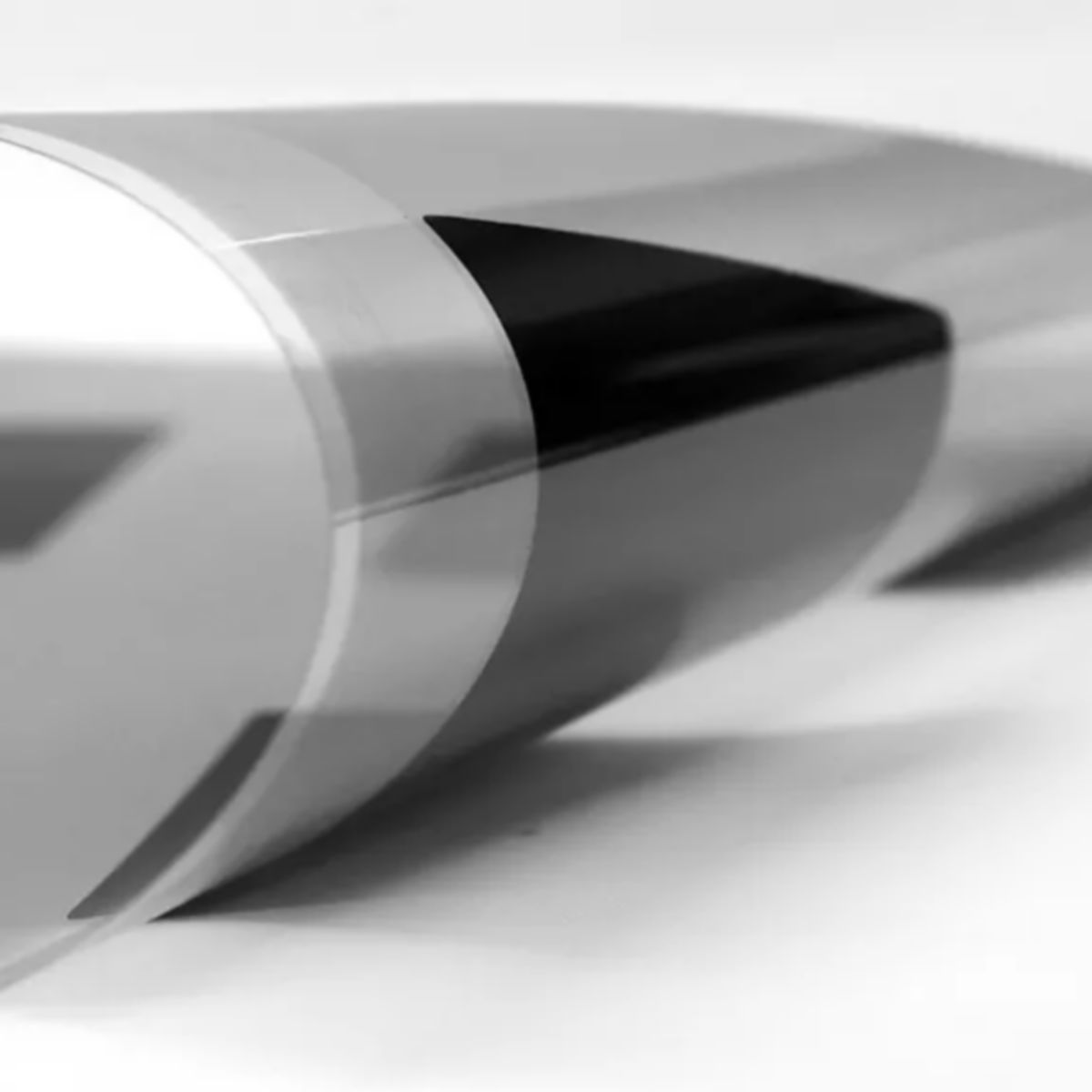
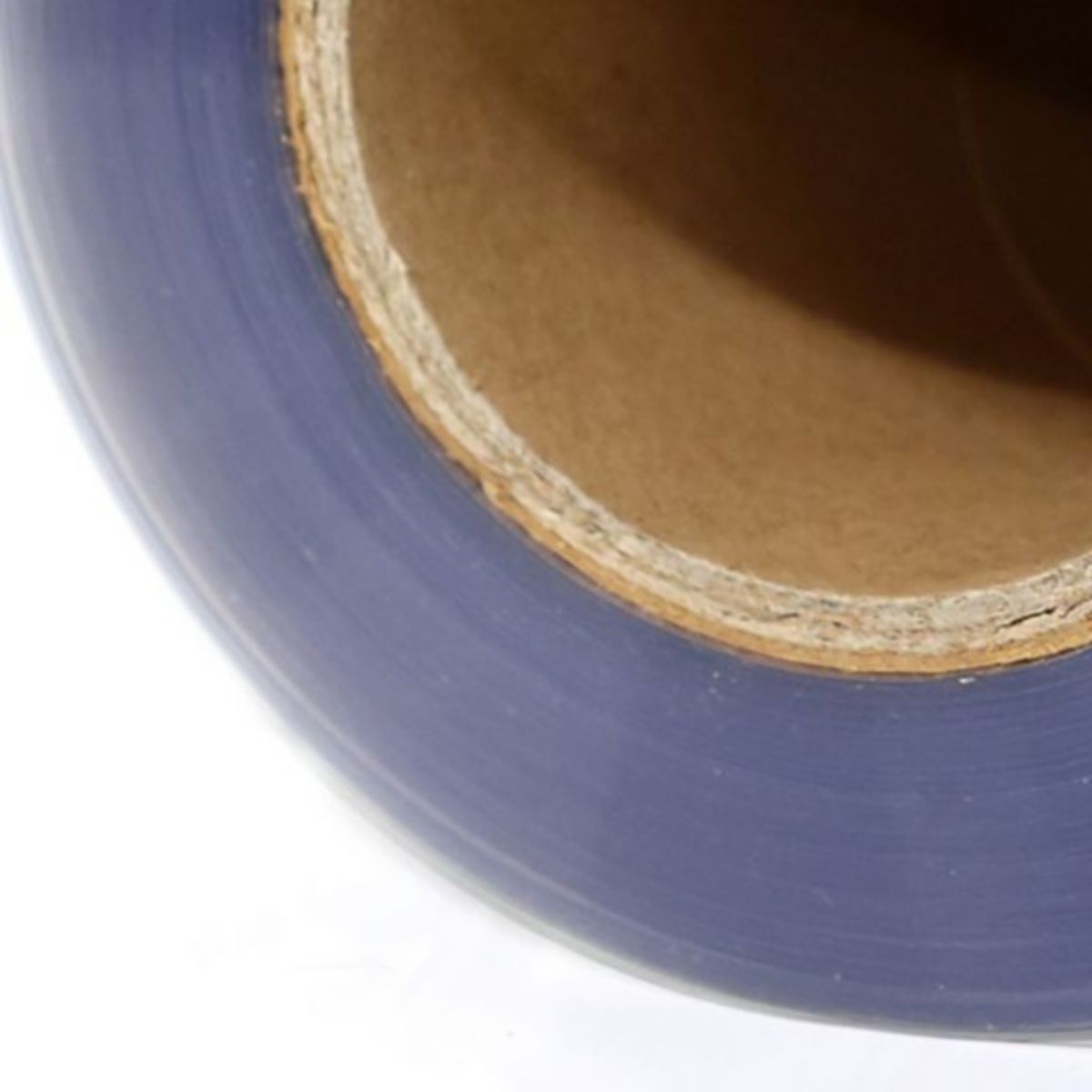
The CCM is at the heart of the electrolyzer and drives performance improvement for the electrolyzer technology. The CCM consists of a membrane that is coated with two electrodes – an anode catalyst and a cathode catalyst. The CCM facilitates the separation of hydrogen and oxygen through electrochemical reactions within the cell, and it is responsible for keeping the produced gases separated. Keeping hydrogen and oxygen separated is important for maximizing hydrogen purity and ensuring process safety.
The CCM is a crticial component in the PEM stack and can significantly influence electrolyzer cost and efficiency. For example, Honeywell UOP’s PEM CCM achieves 55% higher hydrogen production per area than commercially available CCM, enabling a 35% electrolyzer stack CapEx cost reduction for PEM water electrolysis.1,2
1Based on internal UOP data and validated by third-party electrolyzer OEMs
2Based on a PEM water electrolysis system using renewable power to produce 2,220 metric tons H2/year with 8,760 operating hours/year.
Four main electrolyzer technologies are used for green hydrogen production: alkaline (AEL), proton exchange membrane (PEM), anion exchange membrane (AEM), and solid oxide (SOEC). Each uses an electrolyzer stack to split water into hydrogen and oxygen, supported by balance-of-plant systems for power, water, purification, and compression.
- AEL: The most established and economical technology, but with lower production rates and pressures, limited cycling flexibility, and greater compression requirements.
- PEM: Offers faster response, higher current densities, pressurized hydrogen, and flexible operation. It requires costly precious-metal catalysts but delivers efficiency and footprint advantages.
- AEM: An emerging alternative combining PEM-like flexibility and higher current densities with the potential to use lower-cost, non-noble catalysts.
- SOEC: Operates at 700–850°C and can achieve high efficiency through heat integration, making it well suited to applications such as fuel production and chemical synthesis.
Sources:
1 https://honeywell.com/us/en/process-automation-technology/solutions/energy-transition/green-hydrogen-catalyst-coated-membrane Note: Based on internal UOP data and validated by third-party electrolyzer OEMs. Based on a PEM water electrolysis system using renewable power to produce 2,220 metric tons H2/year with 8,760 operating hours/year.
2 https://honeywell.com/us/en/process-automation-technology/solutions/energy-transition/green-hydrogen-catalyst-coated-membrane Note: Based on UOP internal lab test results of UOP's HiFlux-114P PEM CCM, UOP’s Nafion 115-based PEM CCM, and a commercially available Nafion 115-based PEM CCM.
3 https://honeywell.com/us/en/process-automation-technology/solutions/energy-transition/green-hydrogen-catalyst-coated-membrane Note: Based on UOP internal lab test results of UOP’s HiFlux-114P PEM CCM and a commercially available N212 CCM, showing a 35% improvement in tensile strength (23°C, 30% RH).
4 https://honeywell.com/us/en/process-automation-technology/solutions/energy-transition/green-hydrogen-catalyst-coated-membrane Note: Based on technical targets published by the Office of Efficiency & Renewable Energy.


