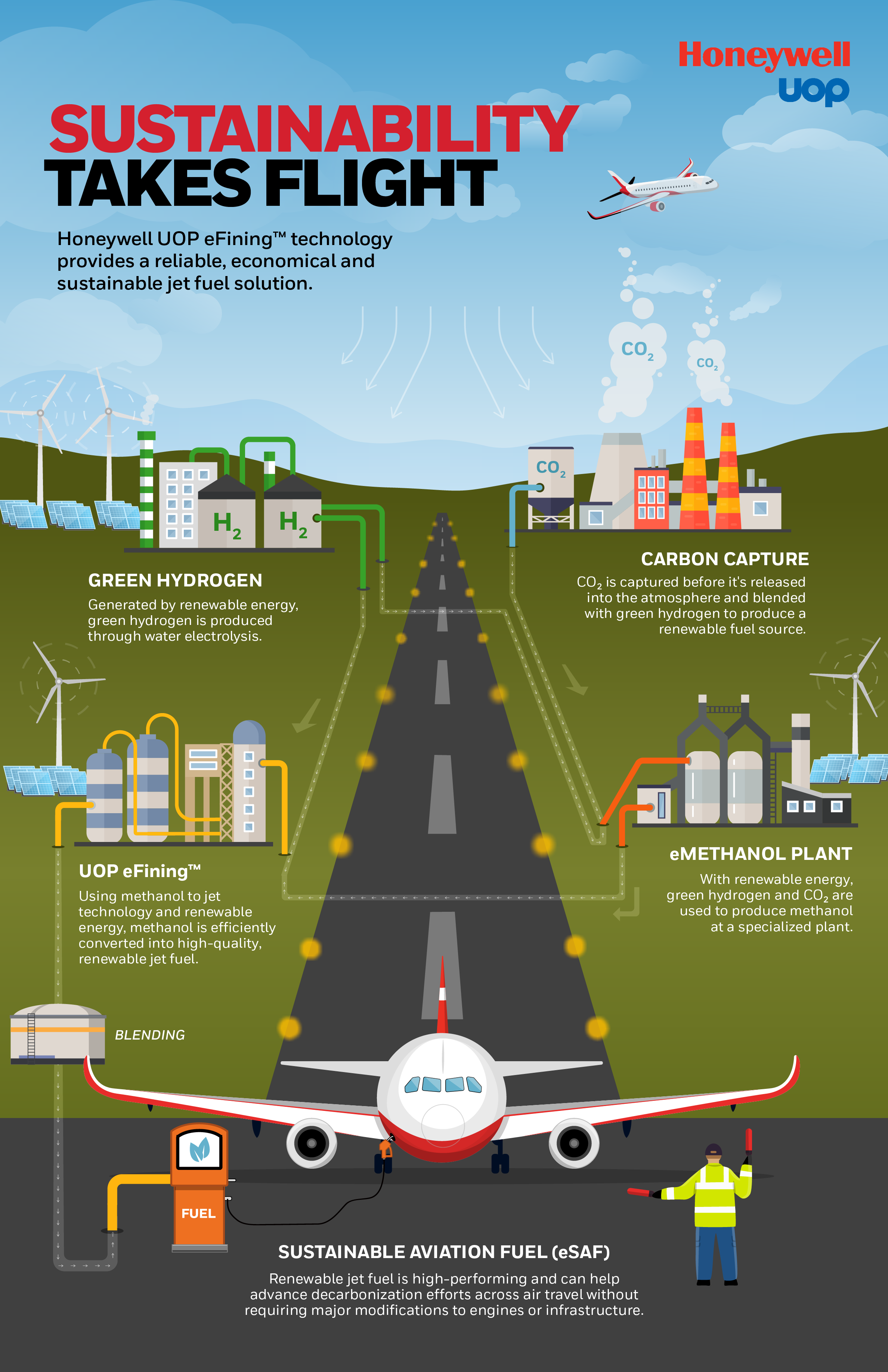
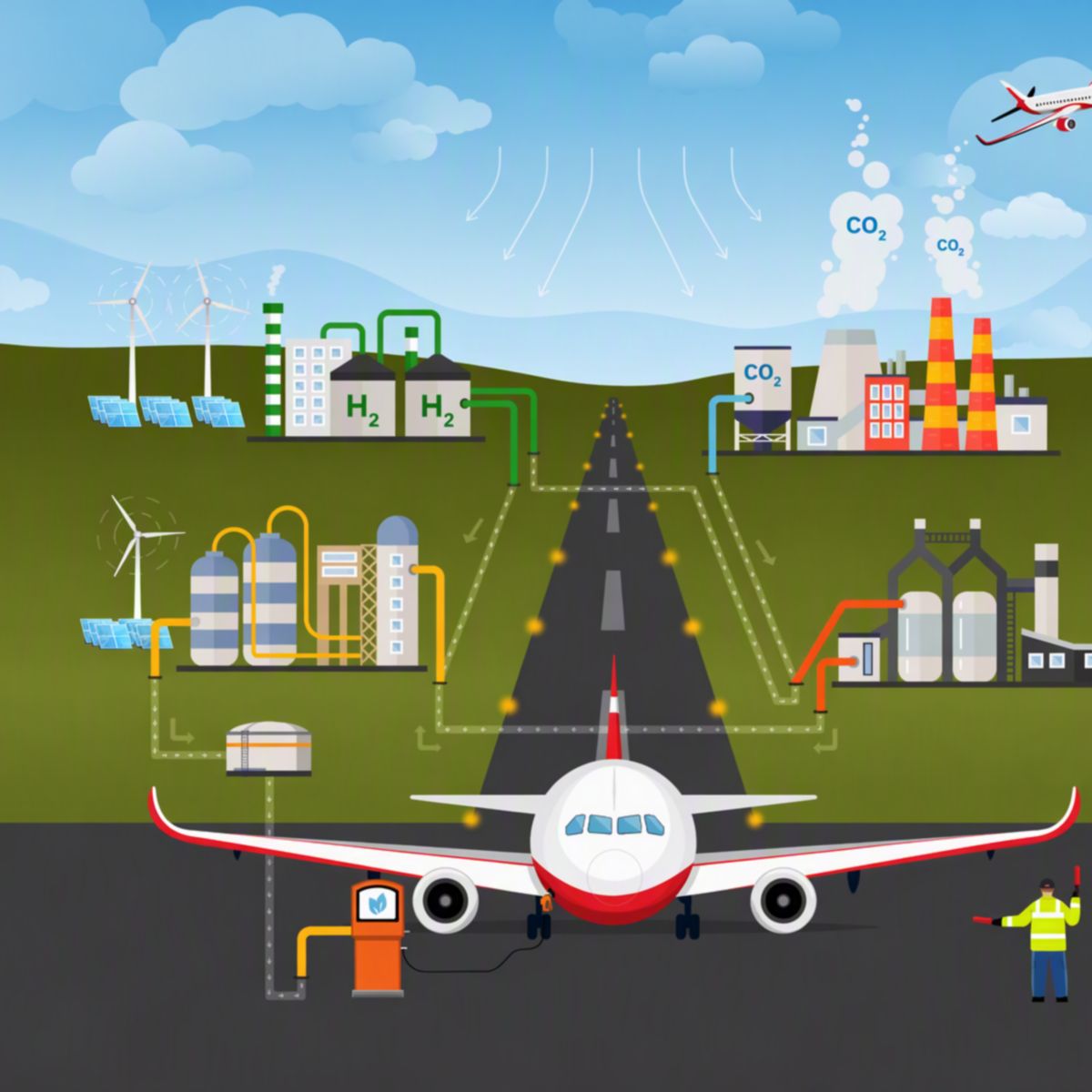
eFuel is made of hydrogen atoms from water and carbon atoms from carbon dioxide.

Accelerating the path to an eSAF reality
Honeywell Technologies UOP eFining™ can reduce greenhouse gas (GHG) emissions by 88% compared to conventional jet fuel.
UOP eFining™: The sky is not the limit
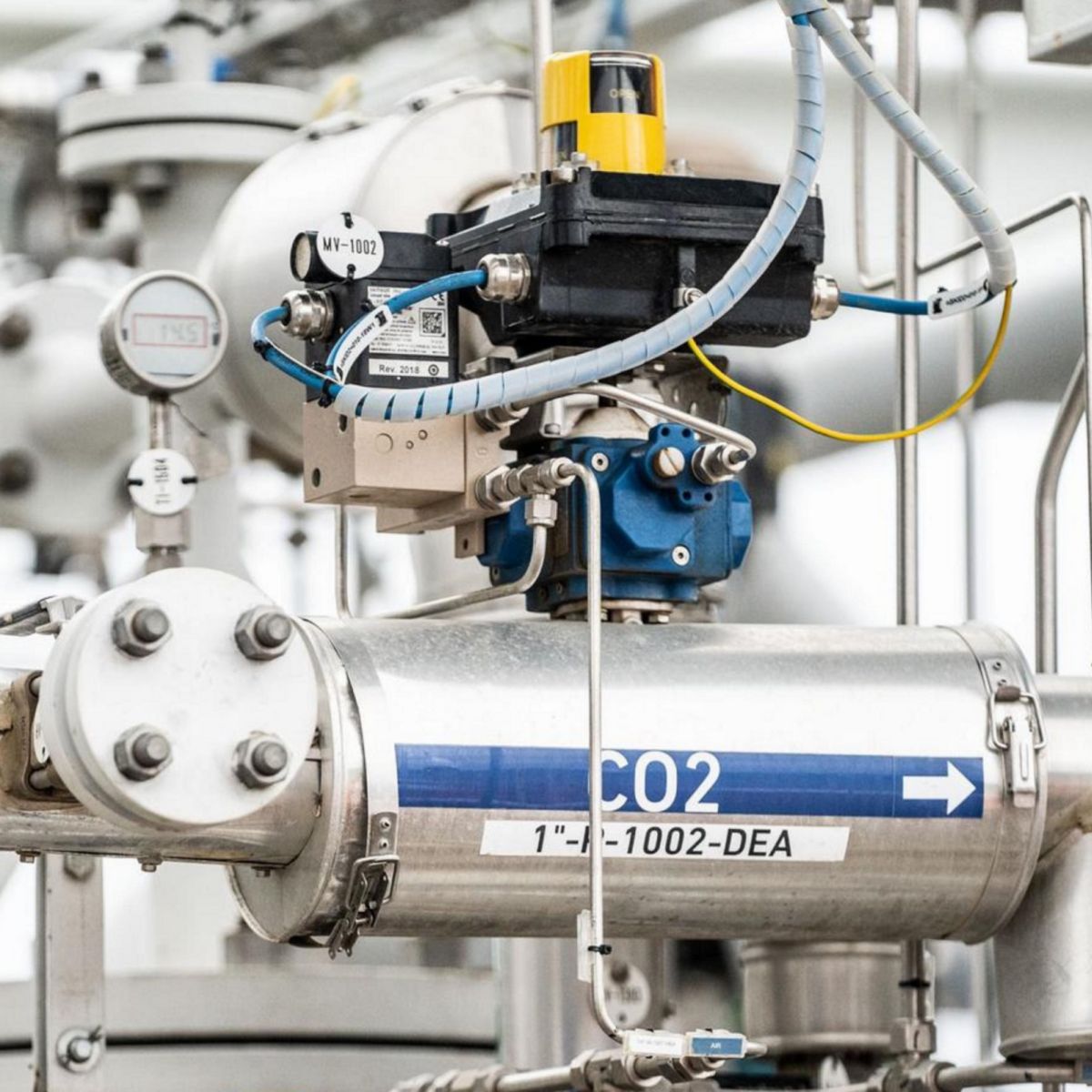
To reconcile the growing demand for air travel with increasing calls for decarbonization, the world needs greater and faster access to sustainable aviation fuel. Honeywell Technologies UOP eFining™ technology enables rapid access to one of the most abundant renewable feedstocks on earth: CO2.
Produced using renewable energy, the combination of captured CO2 and hydrogen generates eFuel, or electrofuel, a lower carbon intensity alternative to traditional fuels. In the case of UOP eFining™, eMethanol is used to create jet fuel that is ready to use today.

FAQs about eFuels and eSAF
Sustainable aviation fuel (SAF) is a blend of conventional jet fuel and renewable biofuel.
eSAF is a blend of conventional jet fuel and eFuel.
High-performing and ready-to-use, eSAF can help advance decarbonization efforts across air travel.
Today, SAF is approved for use in aircraft when blended up to 50% with conventional jet fuel.
The aviation sector is working to enable commercial flights using 100% SAF by 2030.
eFuels, also known as electrofuels, are a class of synthetic, sustainable fuels that displace conventionally produced fossil fuels. This process starts with renewable power from sources like wind, solar, and geothermal energy.
Green hydrogen is produced using an electrolyzer powered with renewable energy to turn water into hydrogen and oxygen. The hydrogen is then combined with recycled CO2 to produce eMethanol, which is the feedstock for a wide range of renewable fuels including SAF, gasoline and diesel alternatives.
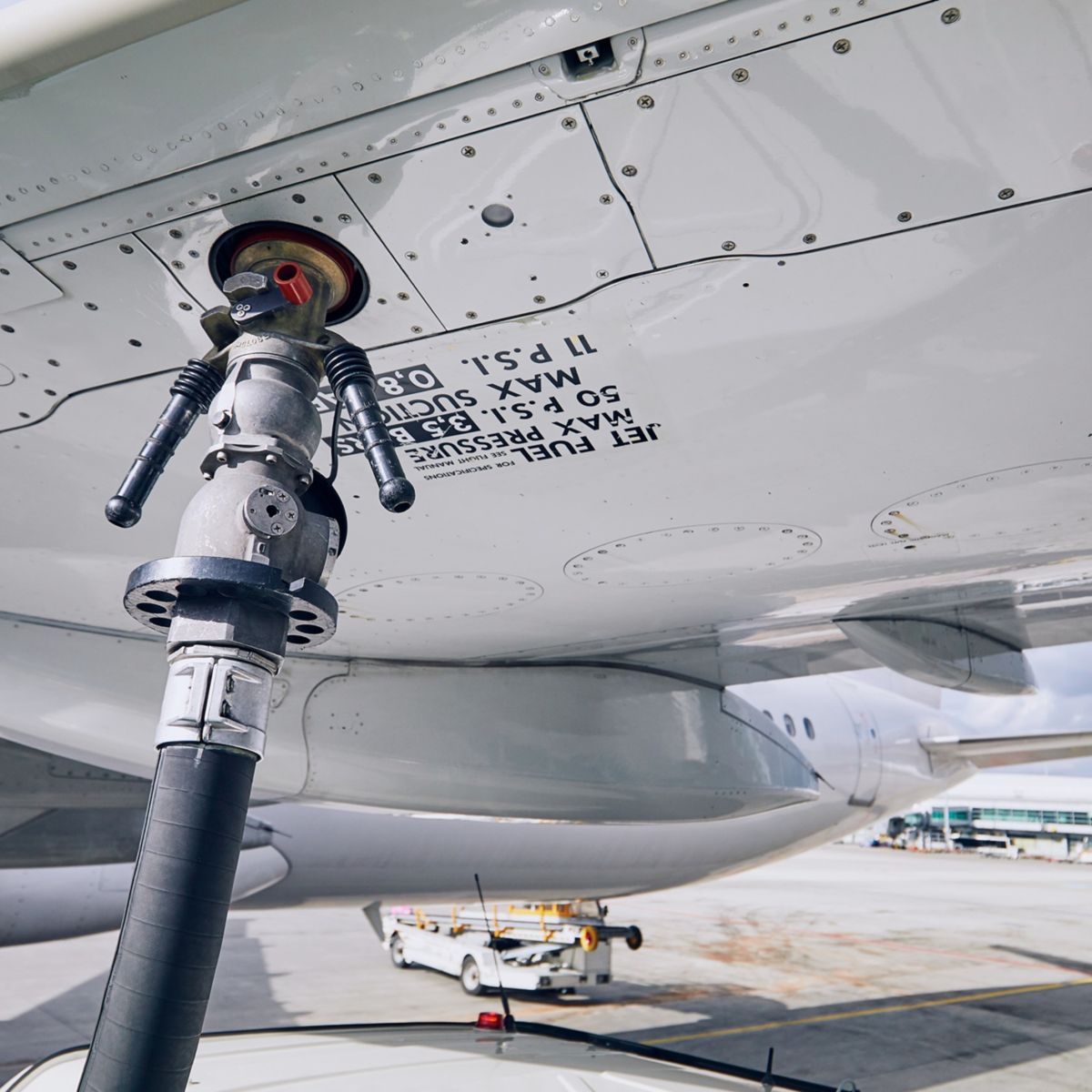
eSAF can be blended with the traditional aviation fuel used today for drop-in-use in existing jet engines without any modifications.
Most renewable fuels produced today are biofuels. Biofuels are made from renewable biological sources.
Examples include the inedible fats, oils and greases used in Honeywell Technologies UOP’s Ecofining™ process, the woody biomass used in the RTP® pyrolysis process, and the corn- and sugarcane-derived ethanol used in our ethanol to jet process.
In contrast, eFuels are synthesized from abundant inorganic compounds: H2 and CO2.
The technology to produce eFuels, like Honeywell UOP eFining™, is available today. While eFuels are not being produced at commercial scale today, legislation and research both indicate industrial scale eFuel production by 2030.
eFuels are generated from renewable energy, hydrogen, and carbon dioxide. In addition to eMethanol, eFuels include eGasoline, eDiesel, and eSAF (eKerosene).
In the aviation sector, electric planes can help significantly reduce greenhouse gas emissions, especially when powered by renewable electricity.
While current battery technology and research shows promise for enabling short-range air travel, long-range travel will likely require the use of energy-dense liquid fuels for the foreseeable future.
Renewable biofuels and eFuels are therefore an important solution for decarbonizing air travel today, as they allow existing aircraft to run on less carbon intensive sources.
- eSAF, and SAF in general, is an immediate, practical means to reduce CO2 emissions from aviation. In particular, it will be crucial for reducing emissions from long-haul flights, which require energy-dense fuels and have few viable alternatives.
- eFuels start from carbon dioxide that is already above-ground, while conventional fuels emit carbon into the atmosphere that was once stored underground.
- eFuels are synthesized from abundant compounds, meaning that there is more than enough feedstock available to supply global demand.
- eFuels are ready-now solutions that are compatible with existing engines and systems. This saves time and eliminates costs associated with new infrastructure or complicated processes.
eFuel production is expensive. eFuel production is based on new technologies like renewable power plants and electrolyzers, which are becoming less expensive as the technologies mature.
Because eFuels are an emerging technology, more global capacity must be deployed to supply the quantity of sustainable fuel needed to reduce greenhouse gas emissions in the aviation sector.
Learn More About Our Sustainable Solutions
While Honeywell Technologies is an industry leader in methanol to olefins processing with demonstrated oligomerization and hydrogenation technologies, our unmatched commercial and R&D experience and commitment to creating a sustainable future also extend to the following areas:



1 Reduced GHG emissions is based on UOP carbon intensity analysis, derived from a 3rd-party study of bio-methanol production from green hydrogen and CO2 captured from biomass processing, in comparison to fossil fuels.
2 Fuel sustainability targets and government incentives refer to the EU’s RefuelEU Aviation initiative, which targets 6% of aviation fuel supply from SAF and 1.2% of supply from eSAF by 2030, and to the US Inflation Reduction Act (IRA) legislation, which provides incentives for SAF.